



















THREE-DIMENSIONAL ORAL IMAGING SYSTEM AND METHOD
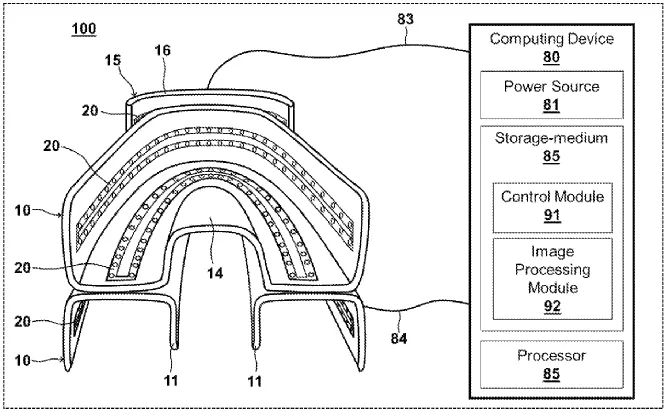
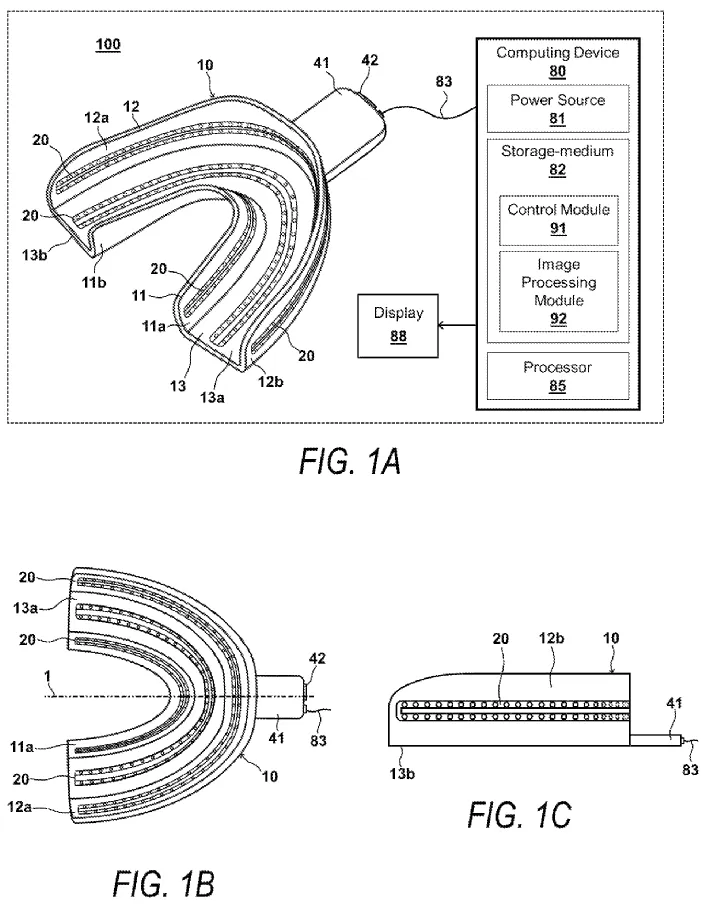
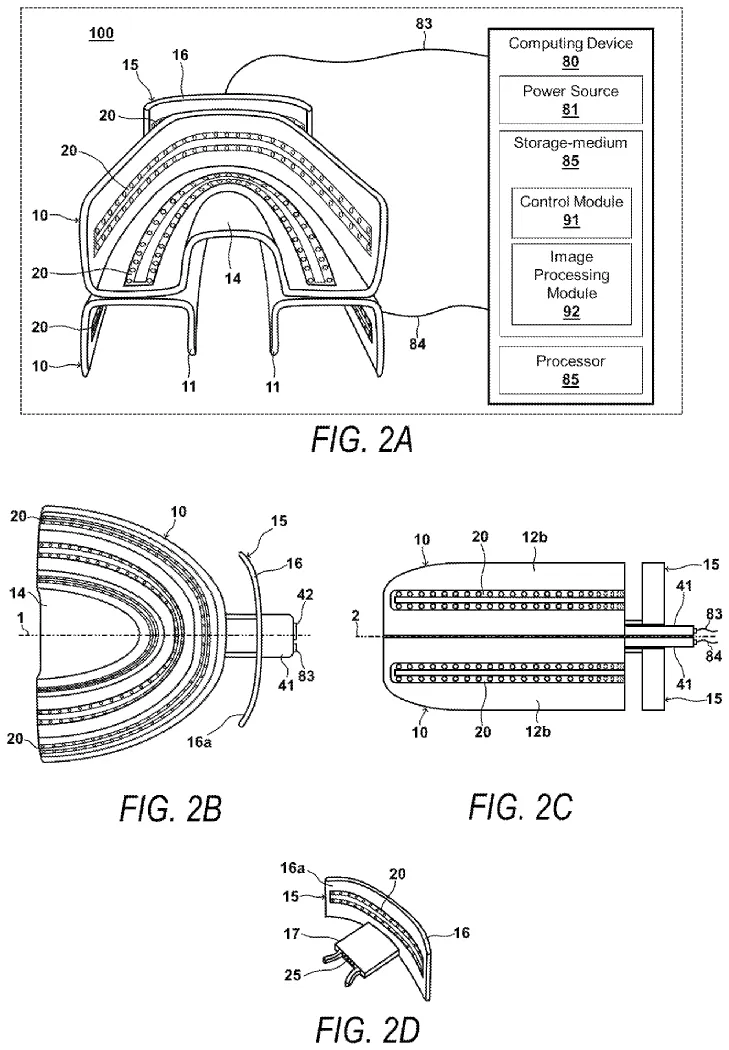
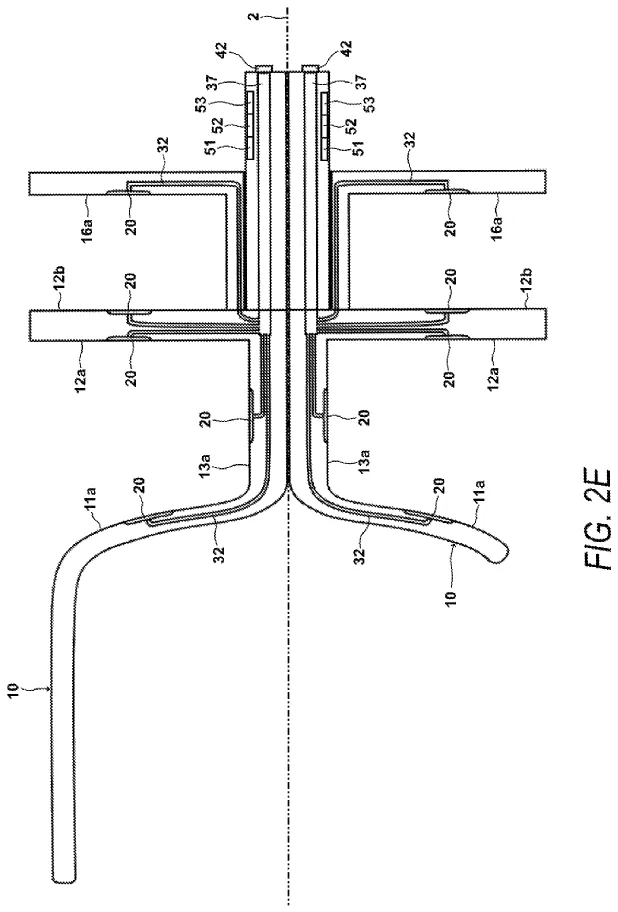
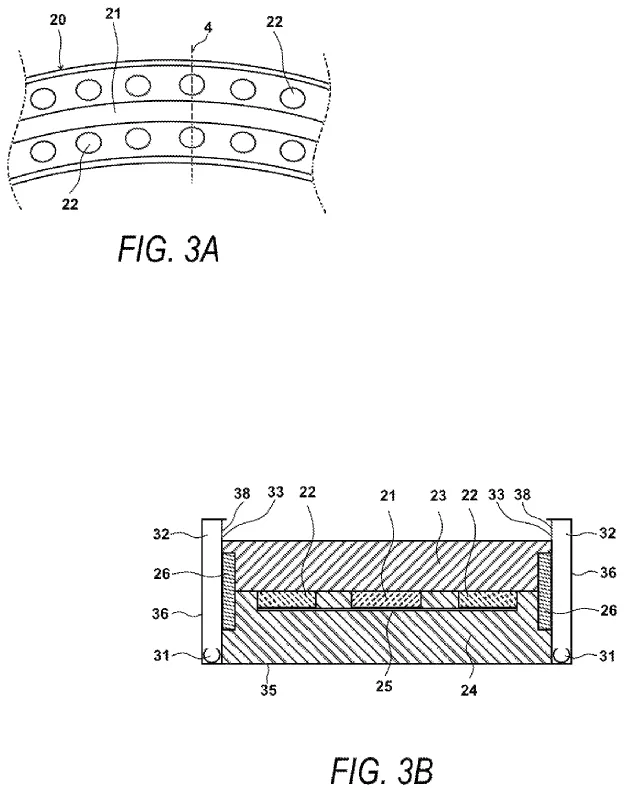
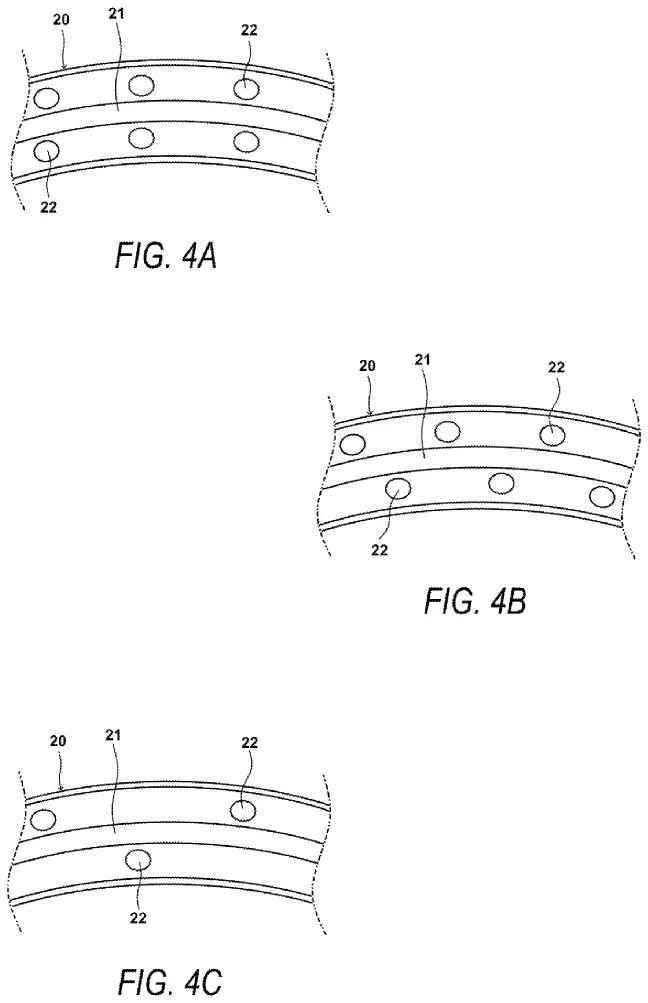
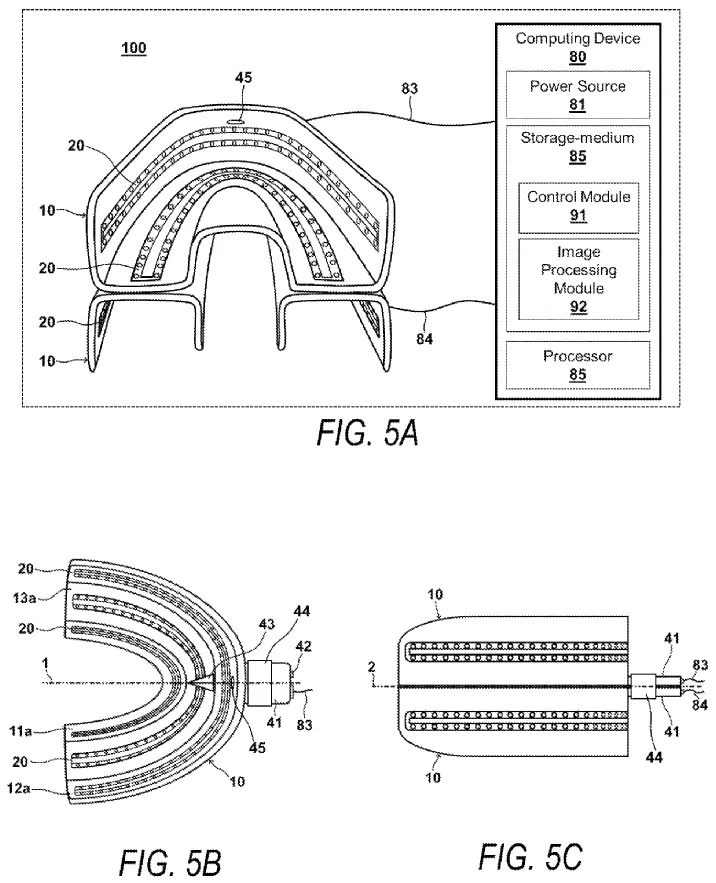
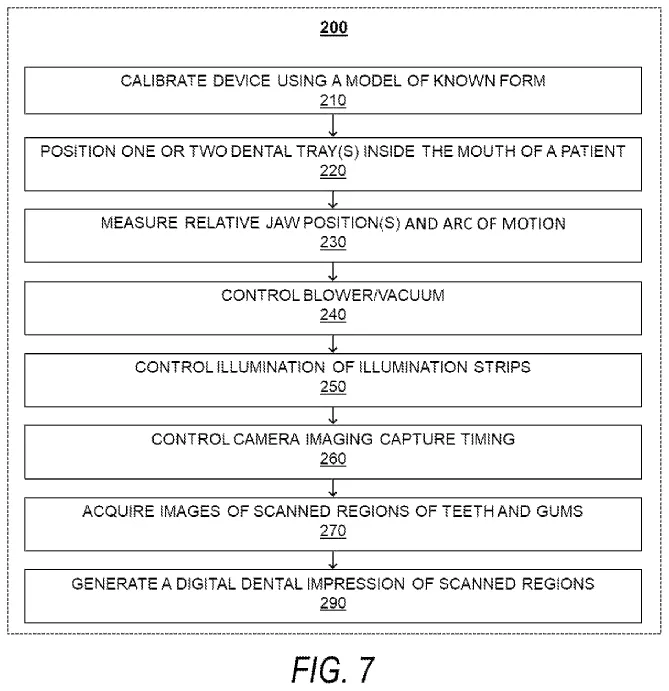
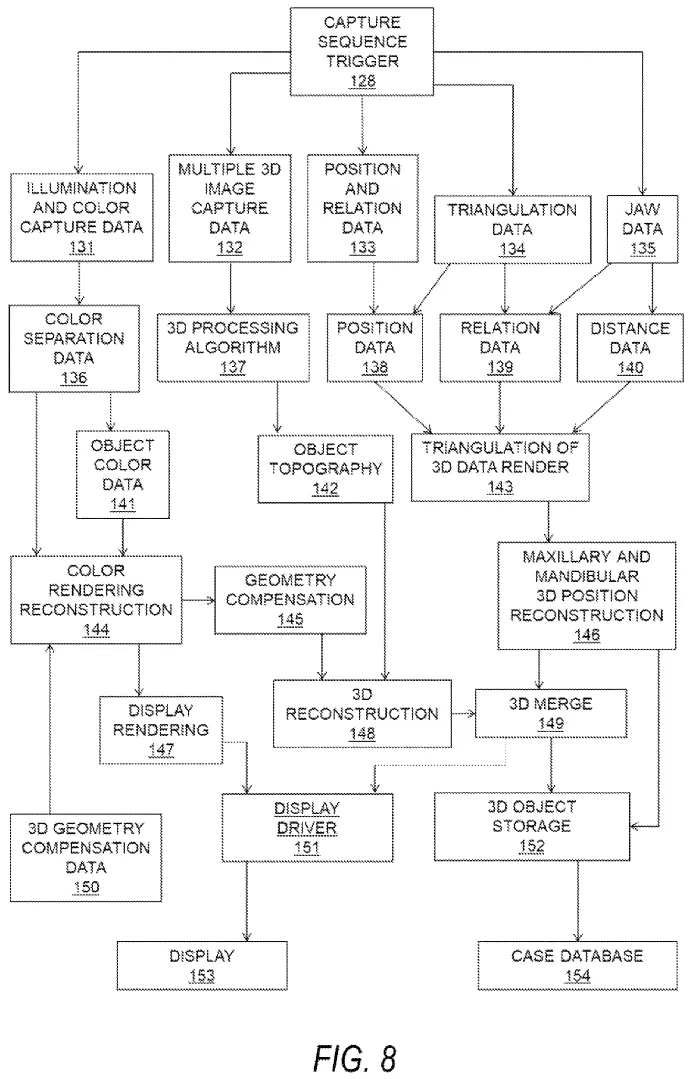
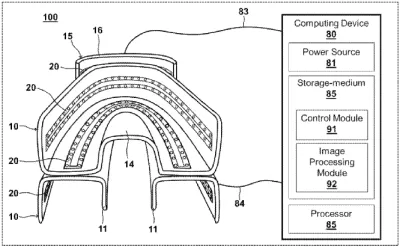
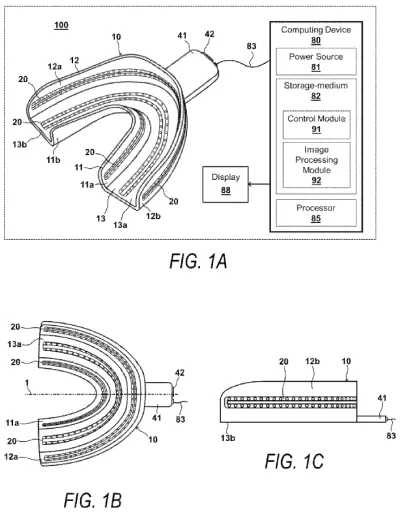
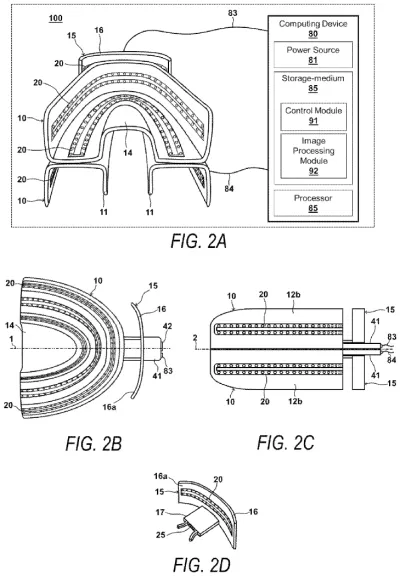
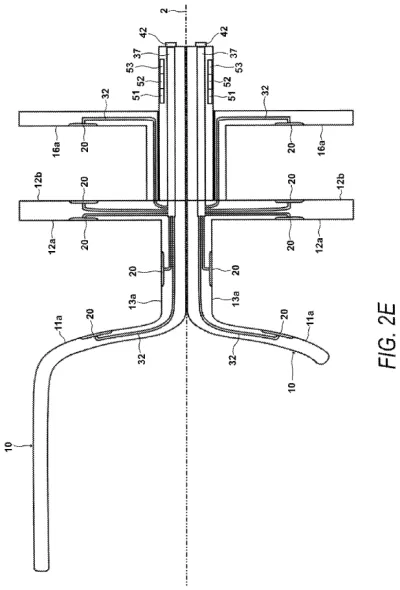
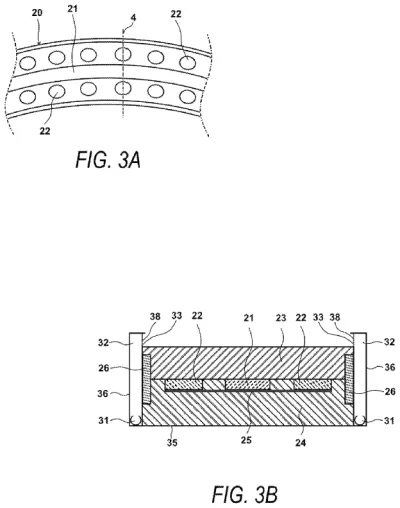
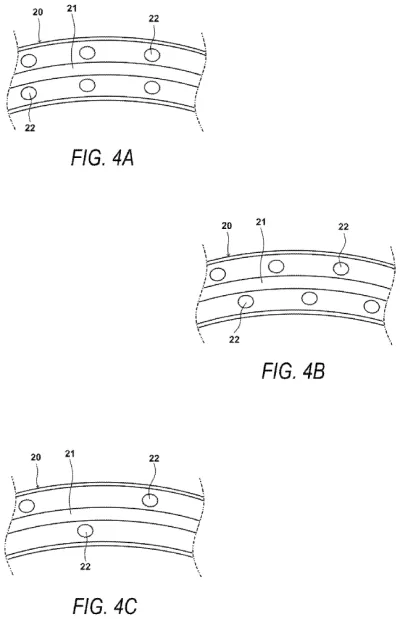
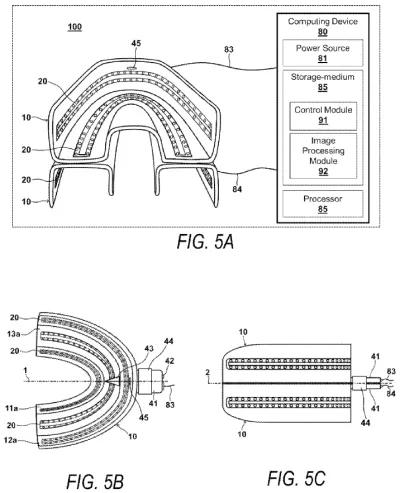
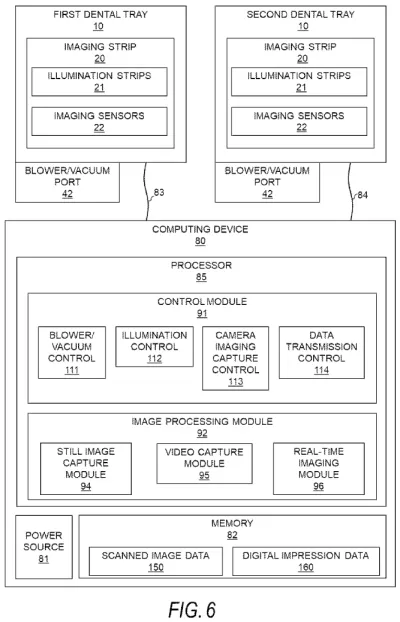
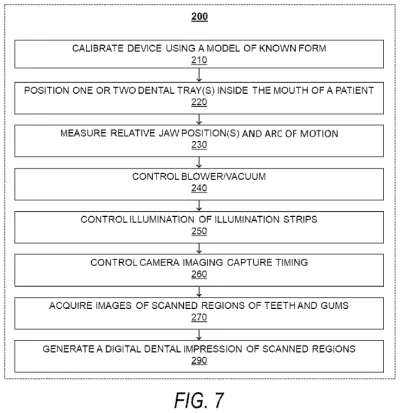
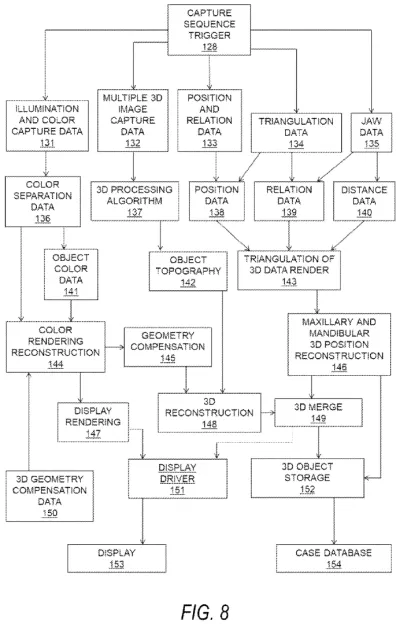
This invention relates to a three-dimensional oral imaging system that captures accurate digital images of a patient’s teeth, gums, and lips using a specially designed dental tray placed inside the mouth. The tray contains built-in light sources and image sensors arranged along its inner surfaces to scan the oral area at once, rather than moving a handheld device around the mouth.
The system is designed to reduce common scanning problems, such as fogging and moisture buildup, by using controlled airflow or suction near the sensors. It can also include an attachment to scan the outer lip area and can use two stacked trays to capture both the upper and lower jaws together, including their relative bite position.
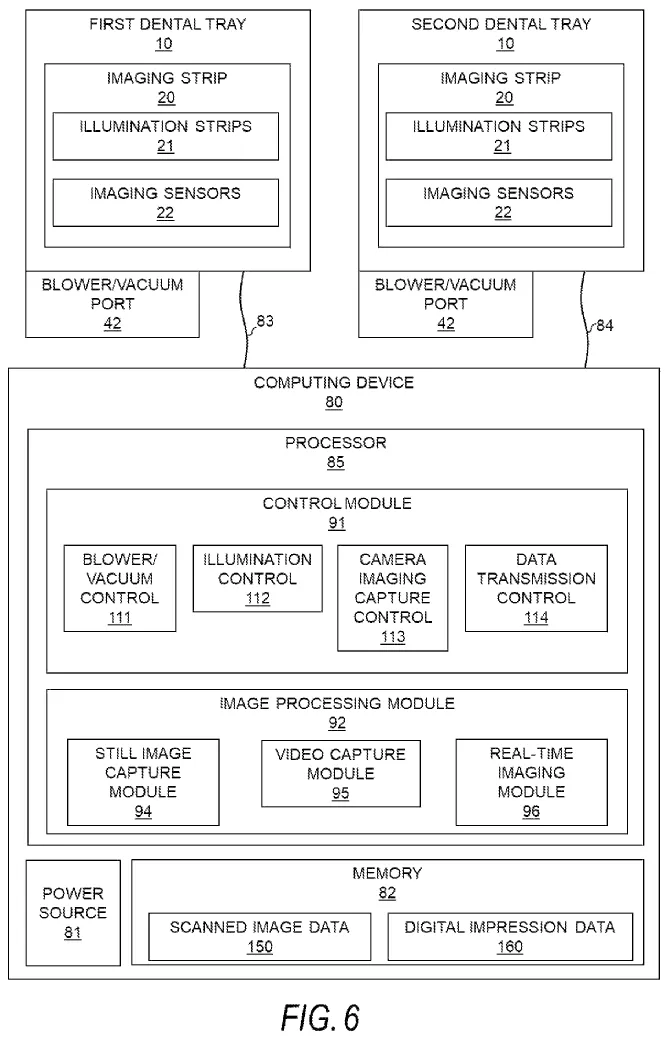
The captured images are processed by a connected computing device to create a precise 3D digital dental impression, which can be used for dental treatment planning, orthodontics, restorations, and digital manufacturing workflows.
Traditional methods of taking dental impressions are often uncomfortable, time-consuming, and inaccurate. Physical impression materials can cause gag reflex, discomfort, and require multiple attempts if the impression is imperfect. Even modern digital alternatives face significant practical limitations in everyday clinical use.
Most existing digital intraoral scanners rely on handheld wands that must be manually moved around the mouth. This process is highly dependent on operator skill and patient cooperation. Small hand movements, patient motion, or limited access to deep or narrow areas of the mouth can lead to distorted or incomplete scans, requiring rescanning and increasing chair time.
Another major challenge is moisture and fogging. The oral environment naturally contains saliva, moisture, and temperature differences that cause condensation on camera lenses and sensors. This condensation reduces image clarity and accuracy, especially when scanning gums, deep margins, or areas near soft tissue. Many current systems struggle to consistently manage this problem, leading to unreliable results.
Existing systems also have difficulty capturing the full mouth and bite relationship in a single, stable scan. Upper and lower jaws are often scanned separately, and jaw alignment must be estimated later, which can introduce errors. Accurately recording how the jaws meet (bite or centric relation) is critical for orthodontics, prosthetics, and restorative dentistry, yet remains a persistent challenge.
Additionally, most current scanners focus only on internal oral structures and do not easily capture external lip and facial reference data, which is increasingly important for aesthetic and restorative treatment planning.
Overall, there is a clear need for a dental imaging solution that:
- Reduces patient discomfort
- Minimizes operator dependency
- Controls moisture and fogging
- Captures the entire oral region accurately and consistently
- Records jaw position reliably in a single workflow
This invention directly addresses these limitations by rethinking how oral scans are acquired and stabilized inside the mouth.
The invention provides a dental tray–based three-dimensional oral imaging system that replaces handheld scanning with a stable, fixed-position scanning approach inside the mouth. Instead of moving a scanner around the teeth, the system uses a specially shaped dental tray that fits around the teeth and gums and carries built-in imaging and illumination components.
The dental tray contains multiple imaging strips positioned along its inner surfaces. Each imaging strip integrates light sources and image sensors that capture detailed images of the teeth, gums, and surrounding oral structures simultaneously. Because the tray remains stationary relative to the mouth during scanning, the system significantly reduces errors caused by hand movement, patient motion, and inconsistent scanning angles.
To address moisture and fogging—one of the most common causes of poor image quality—the invention incorporates airflow and suction channels located near the imaging sensors. These channels actively manage humidity and remove moisture, preventing condensation from forming on the sensors and ensuring consistently clear image capture throughout the scanning process.
For comprehensive oral analysis, the system can use two dental trays in a stacked configuration—one for the upper jaw and one for the lower jaw. This configuration allows the system to capture the entire mouth at once, including the relative position of the upper and lower jaws. A built-in ramp structure in the lower tray enables accurate recording of bite and jaw alignment, which is essential for orthodontic and restorative treatments.
The invention also supports an optional extraoral extension, allowing the system to scan external lip regions along with internal oral structures. This provides additional reference data useful for aesthetic dental planning and digital modeling.
All captured images are processed by a connected computing system to generate a high-resolution three-dimensional digital dental impression, ready for use in treatment planning, CAD/CAM manufacturing, and digital dental workflows.
Overall, the invention delivers a more reliable, faster, and patient-friendly solution for dental imaging by combining stability, moisture control, full-mouth capture, and integrated digital processing into a single unified system.
Description of the Gap Addressed:
Prior dental imaging technologies primarily rely on handheld intraoral scanners or external benchtop scanning systems. While these systems represented an improvement over traditional physical impressions, they still suffer from several unresolved limitations that have persisted across the prior art.
A key gap in prior solutions is the lack of a stable, fixed-position scanning system inside the mouth. Handheld scanners require continuous manual movement around teeth and gums, making scan quality highly dependent on operator skill and patient cooperation. This often leads to motion-related inaccuracies, incomplete scans, and repeated scanning cycles, especially in deep or hard-to-reach oral areas.
Another major limitation in the prior art is inadequate moisture and condensation control. The oral environment naturally causes fogging on lenses and sensors due to saliva, humidity, and temperature differences. Most existing systems either passively tolerate this issue or rely on external drying methods, resulting in reduced image clarity and inconsistent scan quality—particularly around gum margins and soft tissue.
The prior art also fails to provide an effective solution for simultaneous full-mouth scanning with accurate jaw relationship capture. Existing systems typically scan upper and lower jaws separately and estimate bite alignment afterward, which can introduce alignment errors. Accurate recording of jaw position and bite is critical for orthodontic, prosthetic, and restorative applications, yet remains poorly addressed in earlier technologies.
Additionally, prior solutions generally focus only on internal oral structures and do not integrate extraoral imaging, such as lip contours, into the same scanning workflow. This limits their usefulness in aesthetic and advanced restorative treatment planning.
How This Invention Fills the Gap:
This invention addresses these gaps by introducing a dental tray–based imaging system that remains stationary during scanning, actively manages moisture using airflow and suction channels, captures both jaws together with precise bite positioning, and optionally includes extraoral scanning—all within a single integrated system. This represents a meaningful advancement over prior art by improving reliability, accuracy, and clinical usability in digital dental imaging.
Speedy and accurate scanning without hindrance or oral structures and oral fluids
Industries where the invention can be useful?
Dental Scanning and Digitizing Images CompaniesPotential Customers/End Users. Who might benefit?
Dentists, Prosthodontists, Oral Surgeons, Periodontists, Oral Diagnostics,Actions
Added all portfolio
| Country | Current Status | Patent Application Number | Patent Number | Applicant / Current Assignee Name | Title | Google Patent Link |
| USA | Granted | 17/324,980 | US11382727 | Dentm LLC | THREE-DIMENSIONAL ORAL IMAGING SYSTEM AND METHOD | Google patent link |
| Not mentioned | Not mentioned | Not mentioned | Not mentioned | Not mentioned | Not mentioned | Not mentioned |
| Not mentioned | Not mentioned | Not mentioned | Not mentioned | Not mentioned | Not mentioned | Not mentioned |
You may also like the following patent
THREE-DIMENSIONAL ORAL IMAGING SYSTEM AND METHOD
| Available For: China | Pharmaceuticals and Biotechnology |
This invention relates to a tray-based three-dimensional oral imaging system designed to capture accurate digital images of a patient’s teeth, gums, and lips in a single, stable scanning...
| Application Number | 2022800333318 |
| Patent Number | |
| Current Status | Awaiting Examination |
Smart Medication Gamification System
| Available For: India | Pharmaceuticals and Biotechnology |
A smart medication management system that uses connected pharmaceutical packaging and software to monitor when patients take their medication. The system records medication events, reminds patients...
| Application Number | 201717046644 |
| Patent Number | 579106 |
| Current Status | Granted |
THREE-DIMENSIONAL ORAL IMAGING SYSTEM AND METHOD
| Available For: India | Pharmaceuticals and Biotechnology |
This invention relates to a tray-based three-dimensional oral imaging system designed to capture accurate digital images of a patient’s teeth, gums, and lips in a single, stable scanning process....
| Application Number | 202317073670 |
| Patent Number | N/A |
| Current Status | Awaiting Examination |
3D Oral Imaging Tray System
| Available For: Saudi Arabia | Pharmaceuticals and Biotechnology |
This invention relates to a three-dimensional oral imaging system designed to capture accurate digital impressions of teeth, gums, and surrounding oral structures in a simple and comfortable manner....
| Application Number | 523451561 |
| Patent Number | SA 19790 |
| Current Status | Granted |
THREE-DIMENSIONAL ORAL IMAGING SYSTEM AND METHOD
| Available For: Germany | Pharmaceuticals and Biotechnology |
This invention relates to a tray-based three-dimensional oral imaging system designed to capture accurate digital images of a patient’s teeth, gums, and lips in a single, stable scanning...
| Application Number | MARGHALANI, Thamer |
| Patent Number | |
| Current Status | Awaiting Examination |
Motion Artifact reduction in ECG harness
| Available For: India | Pharmaceuticals and Biotechnology |
The patent is for getting a clinical grade ECG during normal movement and exercises (like in a treadmill stress test) conveniently and quickly from a dry electrode wearable ECG harness without...
| Application Number | 85/CHE/2014 |
| Patent Number | 540782 |
| Current Status | Granted |
Tarpan glasses
| Available For: India | Pharmaceuticals and Biotechnology |
Tarpan Glasses are a reusable eyewear-based device designed to make the Ayurvedic eye lubrication procedure known as Tarpan easier, faster, and more comfortable. The device creates a sealed space...
| Application Number | 202021004558 |
| Patent Number | 545912 |
| Current Status | Granted |