



















Categorical search using visual cues and heuristics
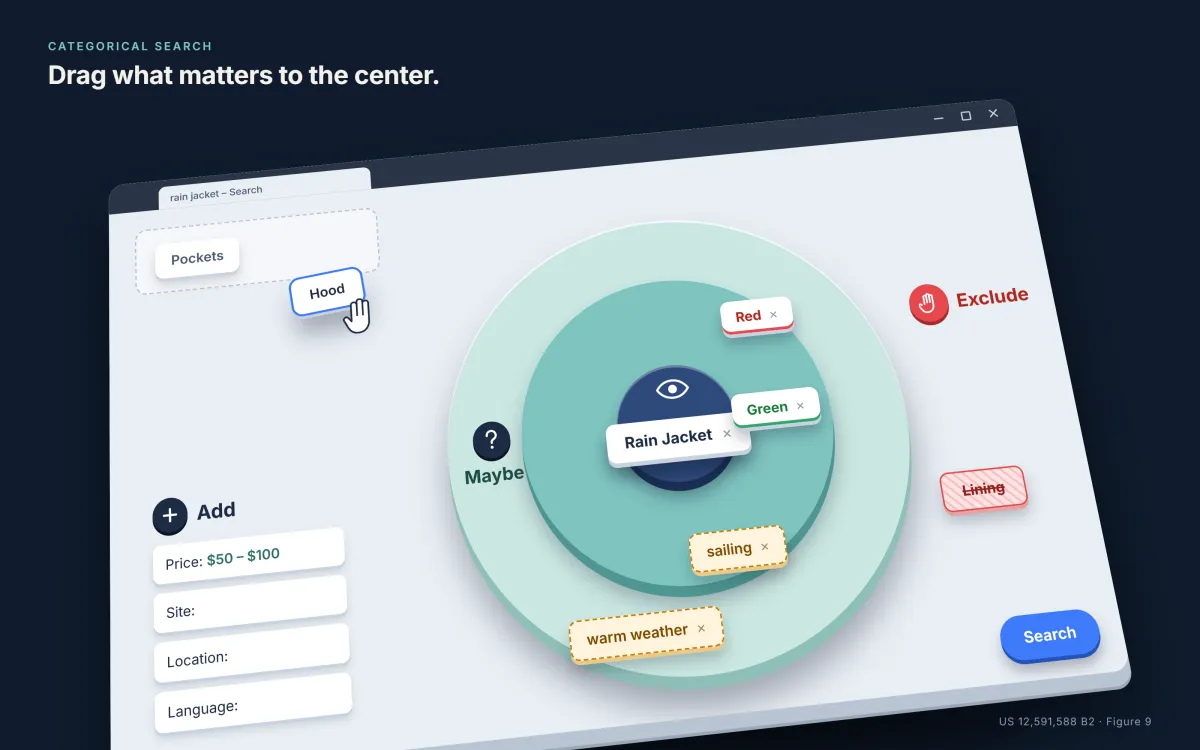
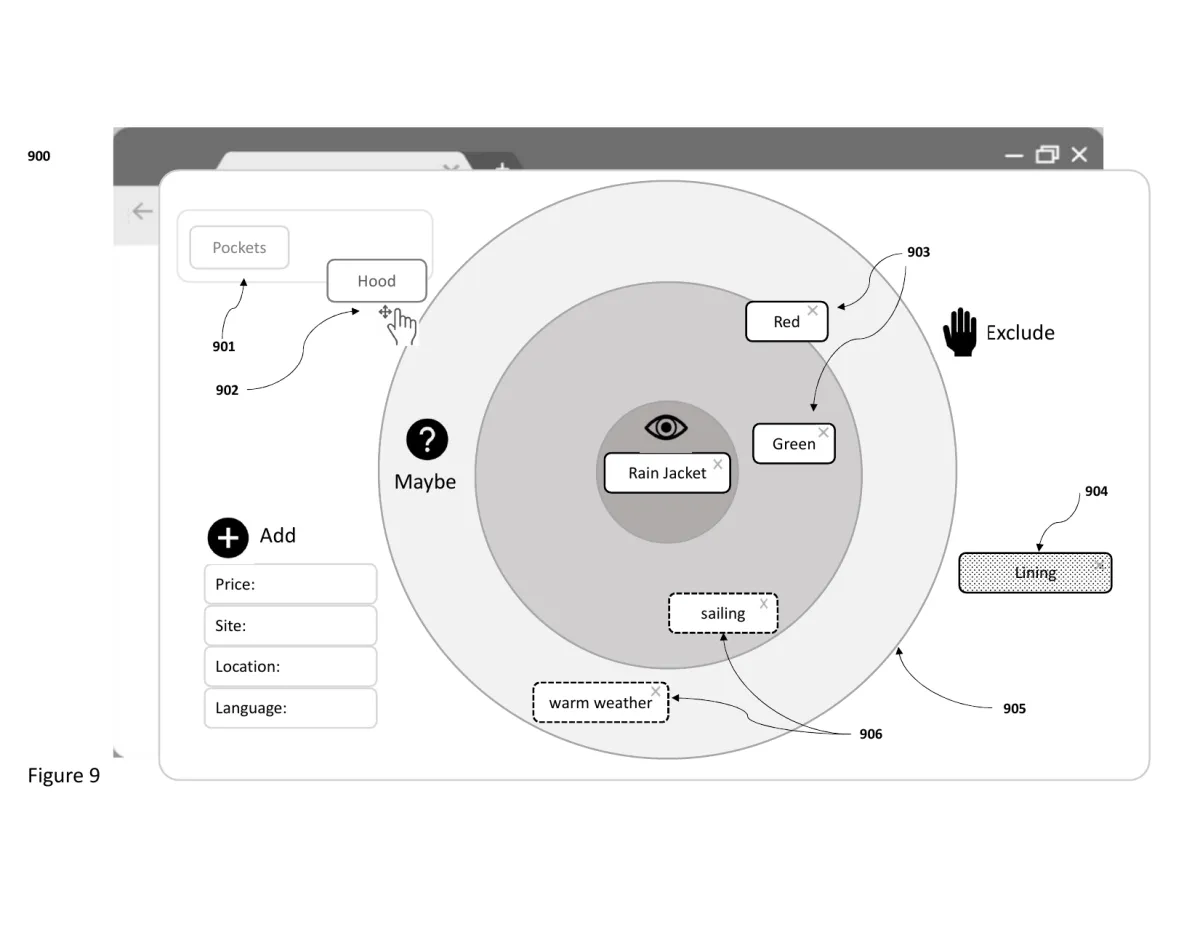
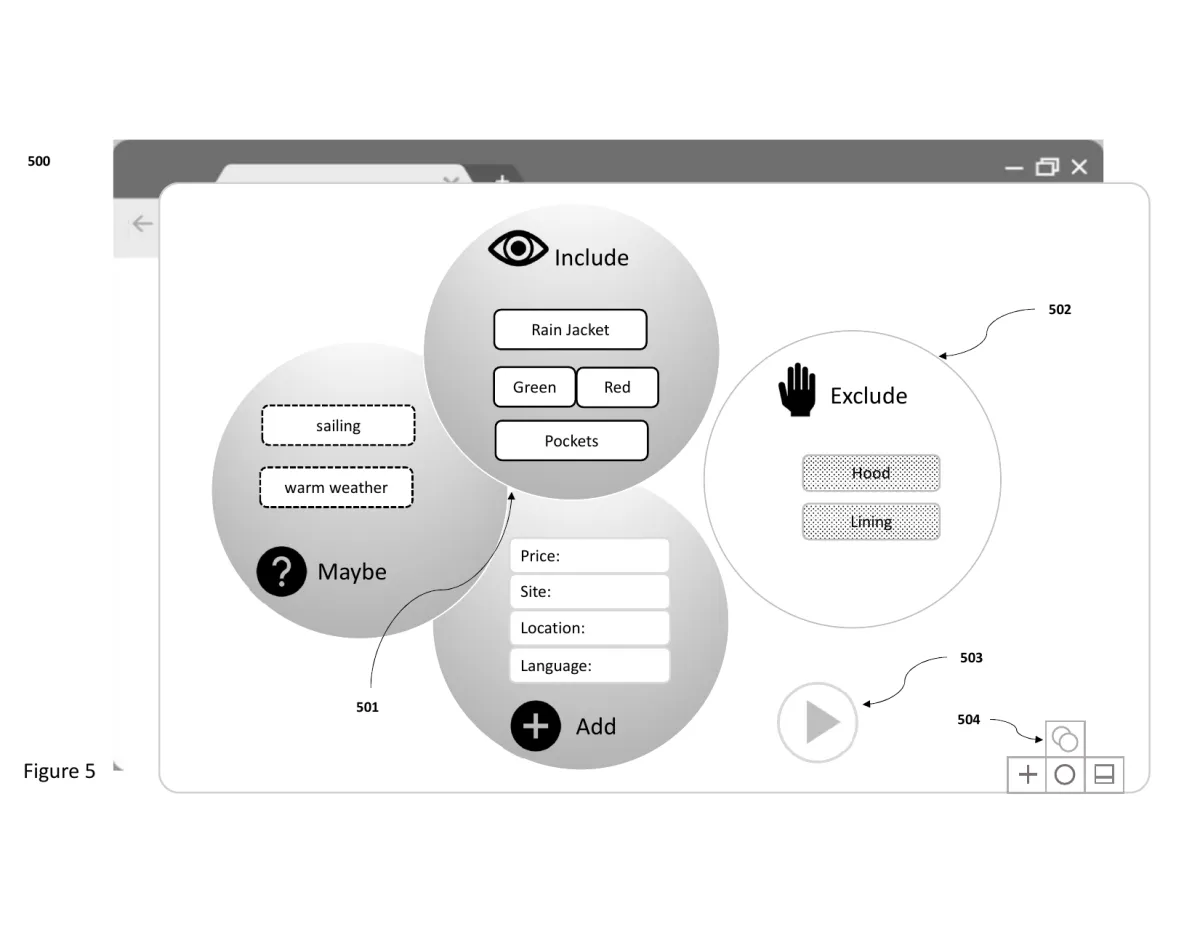
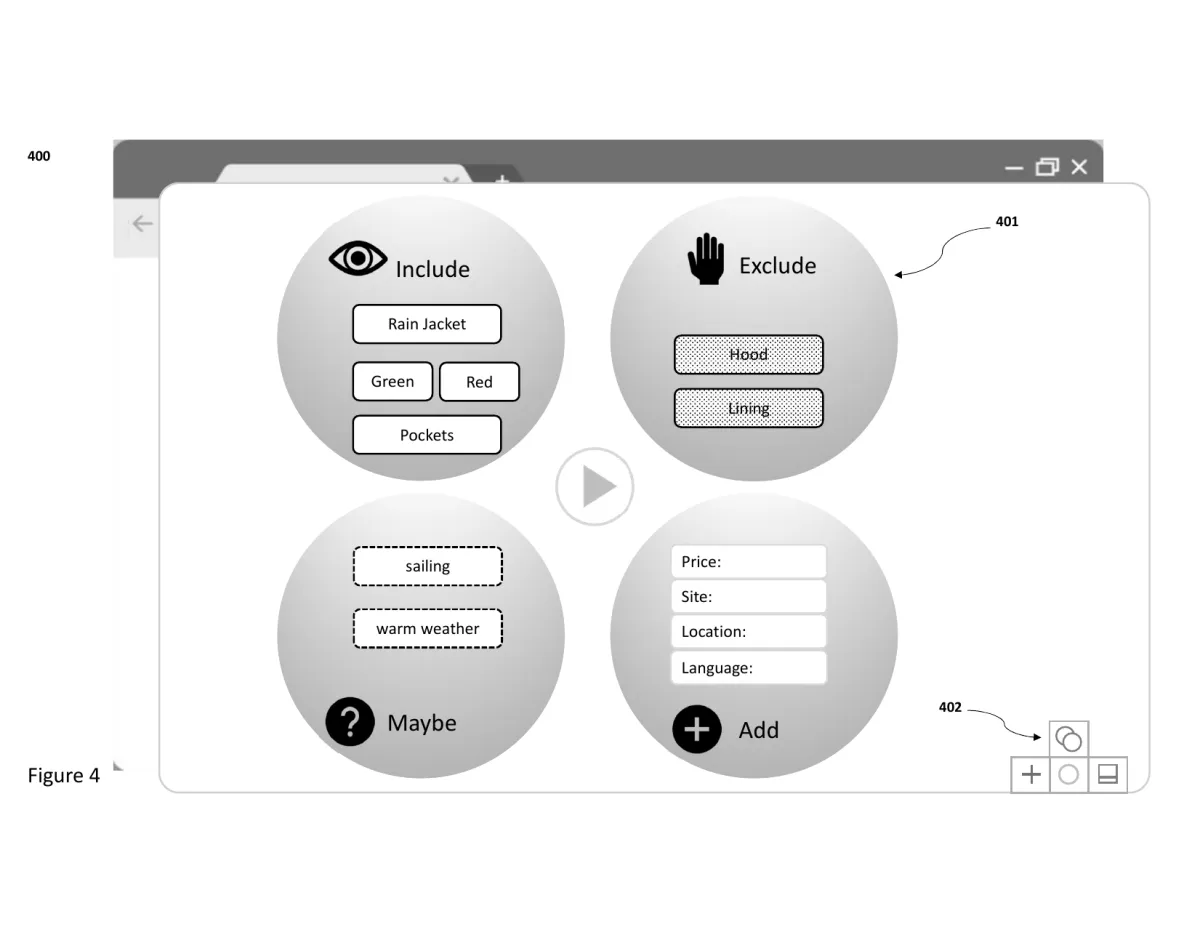
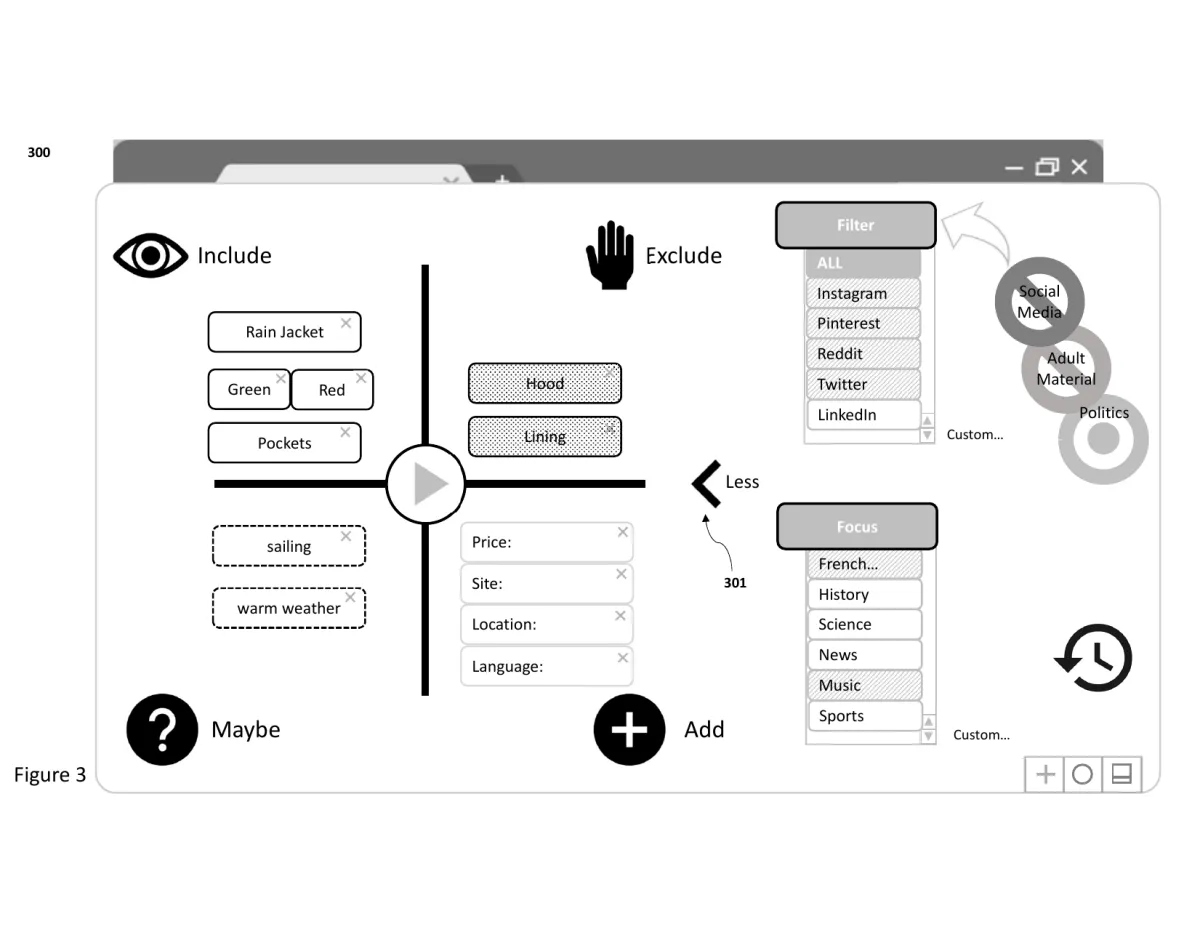
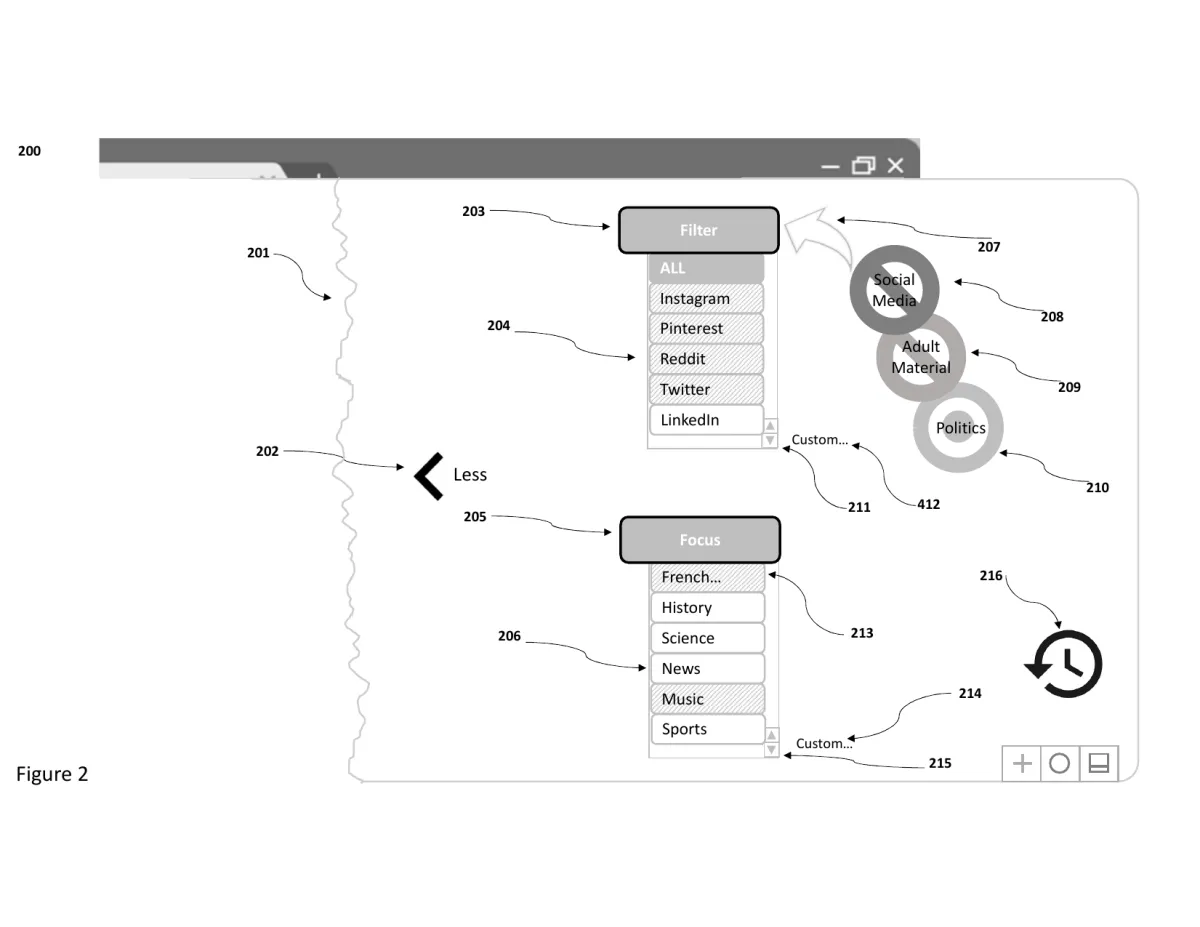
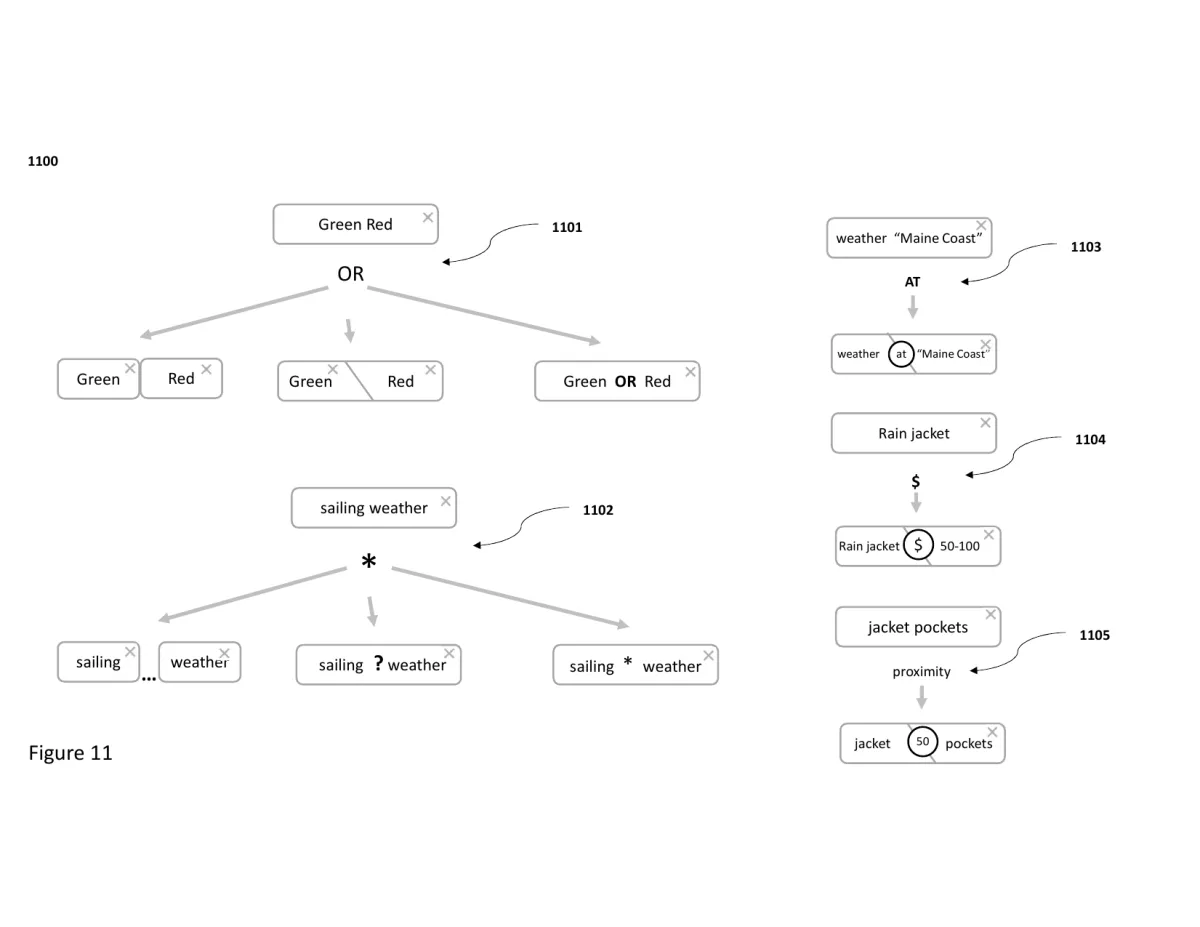
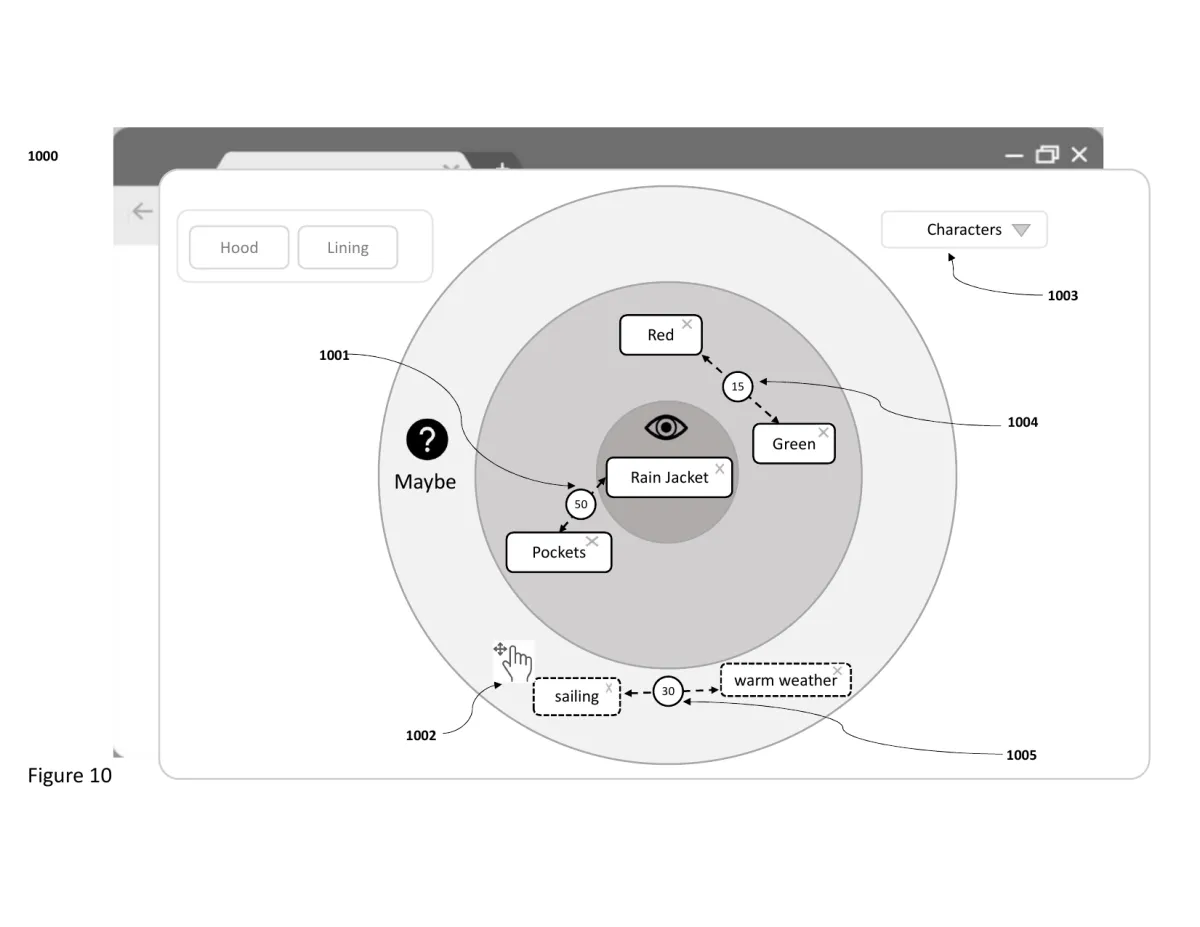
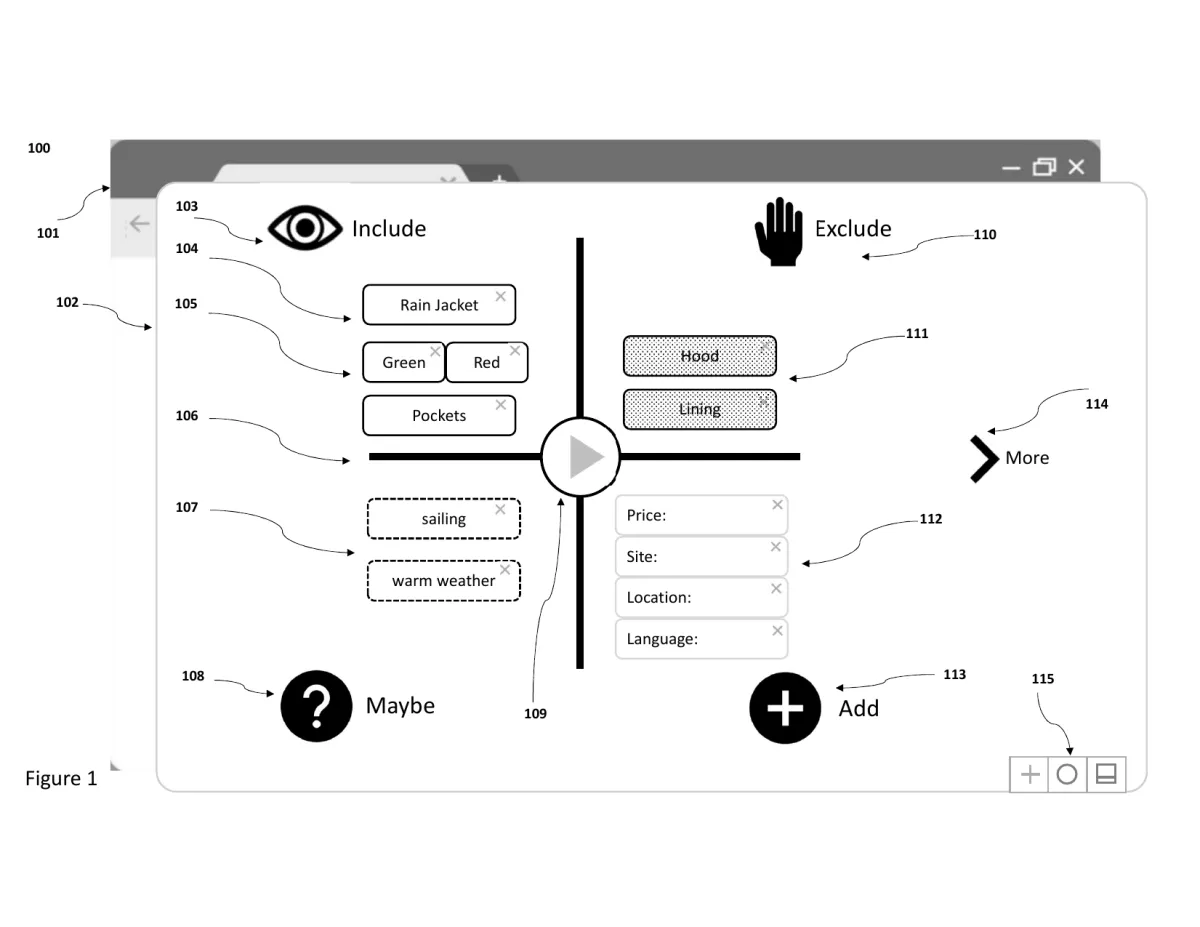
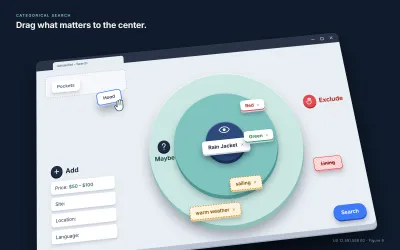
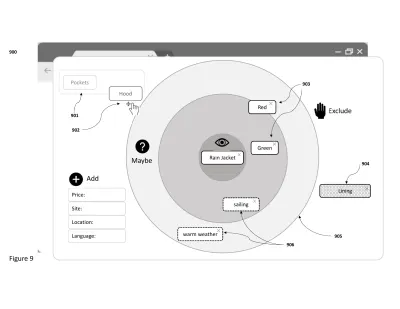
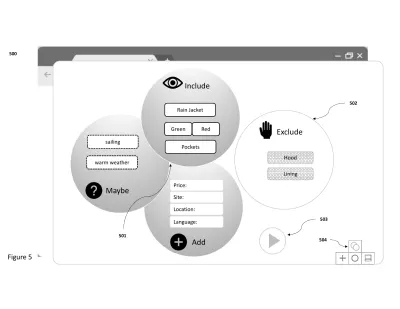
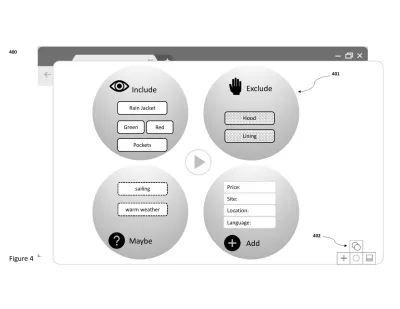
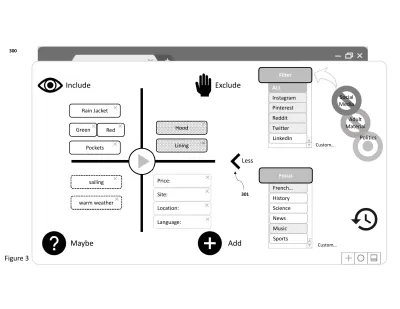
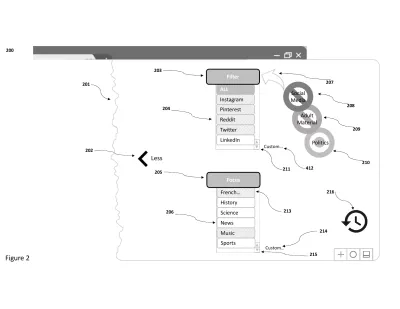
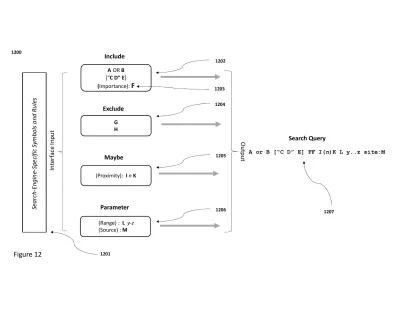
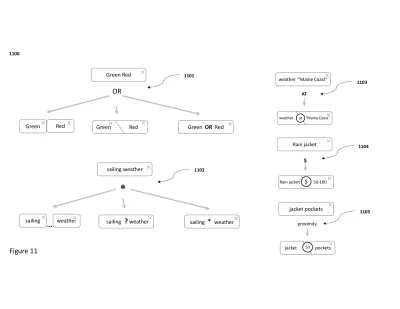
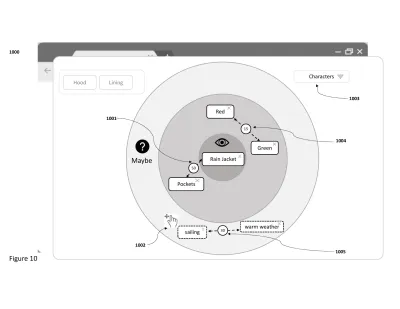
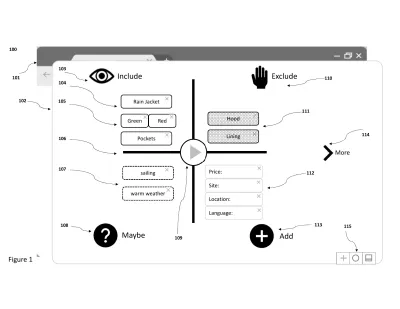
A visual front end for search engines. Instead of typing words into one field, the user drops them into labeled zones such as Include, Exclude, Maybe, and Add. Each zone corresponds to a search instruction. The software translates the arrangement into the precise query syntax a search engine understands. Users can also drag terms toward the center of a target to mark them as more important, or pull two terms apart to set how close they must appear in a page. Settings like “skip social media” or “focus on history” persist across searches, and whole searches can be saved, reopened, and tweaked. Interactive demo: https://ring-shirt-99209750.figma.site/
Modern web search interfaces typically give the user a single field for the query, and the rarely seen “advanced search” pages are hard to use, with a confusing array of fields and unintuitive options. People type words in arbitrary order, so the relationship of the words to each other often does not signal what the user actually means. Search engines do support powerful operators (OR, exclusion, exact phrases, proximity, price ranges), but most people don’t know they exist or how to write them.
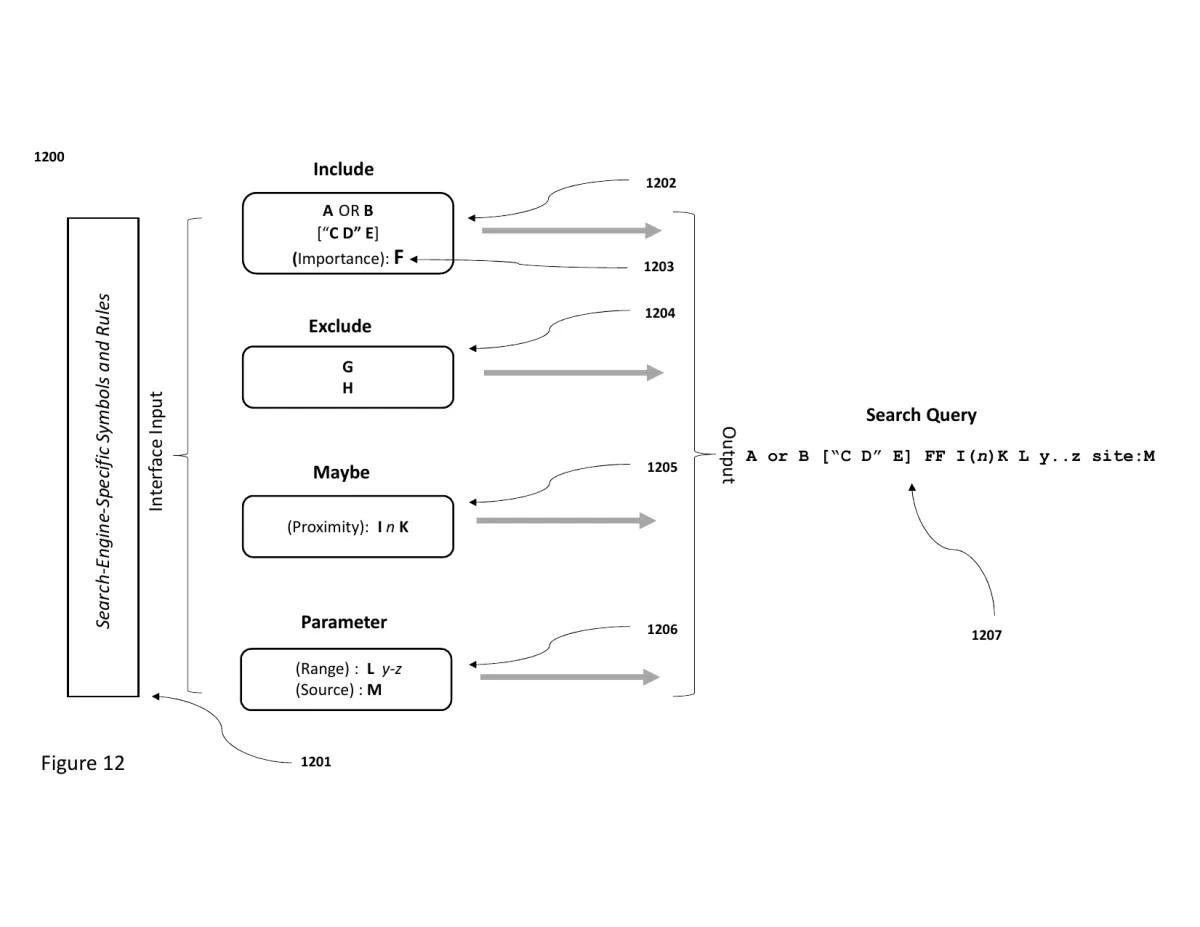
A visual interface that constructs the syntax of search queries without users having to understand that syntax. The categories map directly onto logical operators, search operators, and parameters. Behind the scenes, interchangeable sets of search-engine-specific symbols and syntax rules let the same input be sent to other engines, even several at once, without changing what’s in the interface. The patent’s example turns a rambling description of a hoodless, unlined green-or-red sailing jacket at $50–$100 into a properly structured query with quoted phrases, OR, exclusions, and a price range.
The patent positions itself against the other ways engines try to guess intent. Some engines cache user data and apply AI or machine learning to interpret intent, but this requires tracking behavior over time through account data. Under that approach the user is not in control, and nothing helps them search with more sophistication. The invention sits between the oversimplified single box and the intimidating advanced-search form. It gives ordinary users the precision of expert query syntax through intuitive visual cues, while keeping them in control rather than relying on surveillance-based guesswork.
- Intent is explicit, not inferred. Most engines guess what you mean from your history. This lets you state it directly, which is a privacy advantage as well as a precision one.
- Engine-agnostic. The interface is decoupled from query syntax through swappable rule sets. One layout can target Google, Bing, an intranet, or several engines at once, and it survives syntax changes without UI changes.
- Spatial encoding of importance and proximity. Weighting by position and setting proximity by distance are the most novel parts. They give a physical meaning to relationships that otherwise require obscure operators.
- Searches become reusable objects. Saved, named, and editable searches with persistent filter and focus settings suit repeated research rather than one-off lookups.
Industries where the invention can be useful?
Web search and AI prompting and visualization
Actions
Added all portfolio
| Country | Current Status | Patent Application Number | Patent Number | Applicant / Current Assignee Name | Title | Google Patent Link |
| United States | Granted and active | 17/113,197 | US 12,591,588 В2 | Michael Mark Ross | Categorical search using visual cues and heuristics | Google patent link |
You may also like the following patent
Document Change Analysis Engine (DCAE)
| Available For: India | Information Technology |
This invention automatically analyzes documents such as contracts, privacy policies, terms of service, leases, and user agreements by identifying the document type, detecting changes from previously...
| Application Number | 202218061220 |
| Patent Number | 574143 |
| Current Status | Granted |
ContextiLearn
| Available For: India | Information Technology |
This invention provides a smart learning system that helps users understand written content more easily by instantly showing relevant images for selected words in a text. When a reader taps or clicks...
| Application Number | 202441079301 |
| Patent Number | 574719 |
| Current Status | Granted |