



















A METHOD AND SYSTEM FOR OPTIMAL EMERGENCY COMMUNICATION
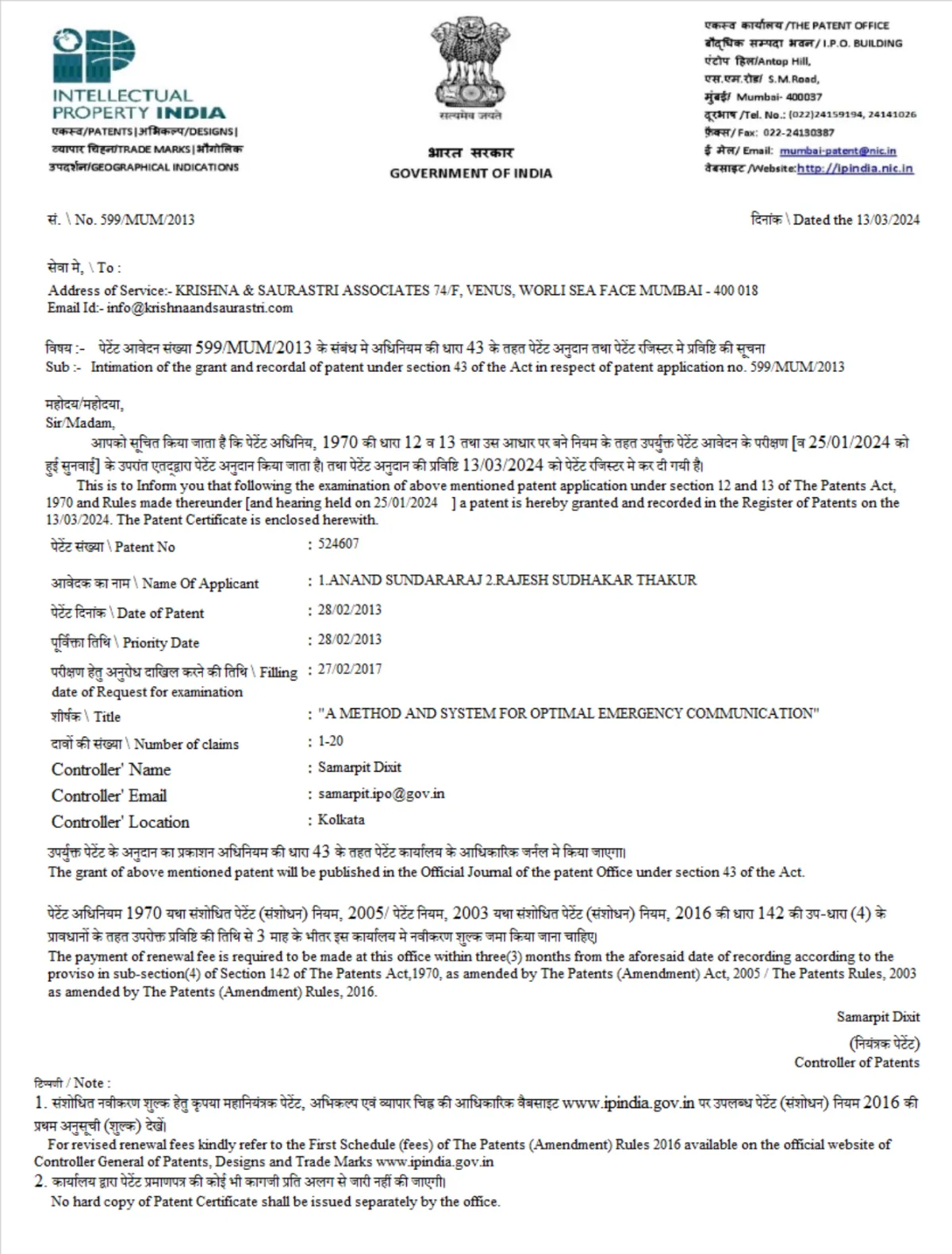
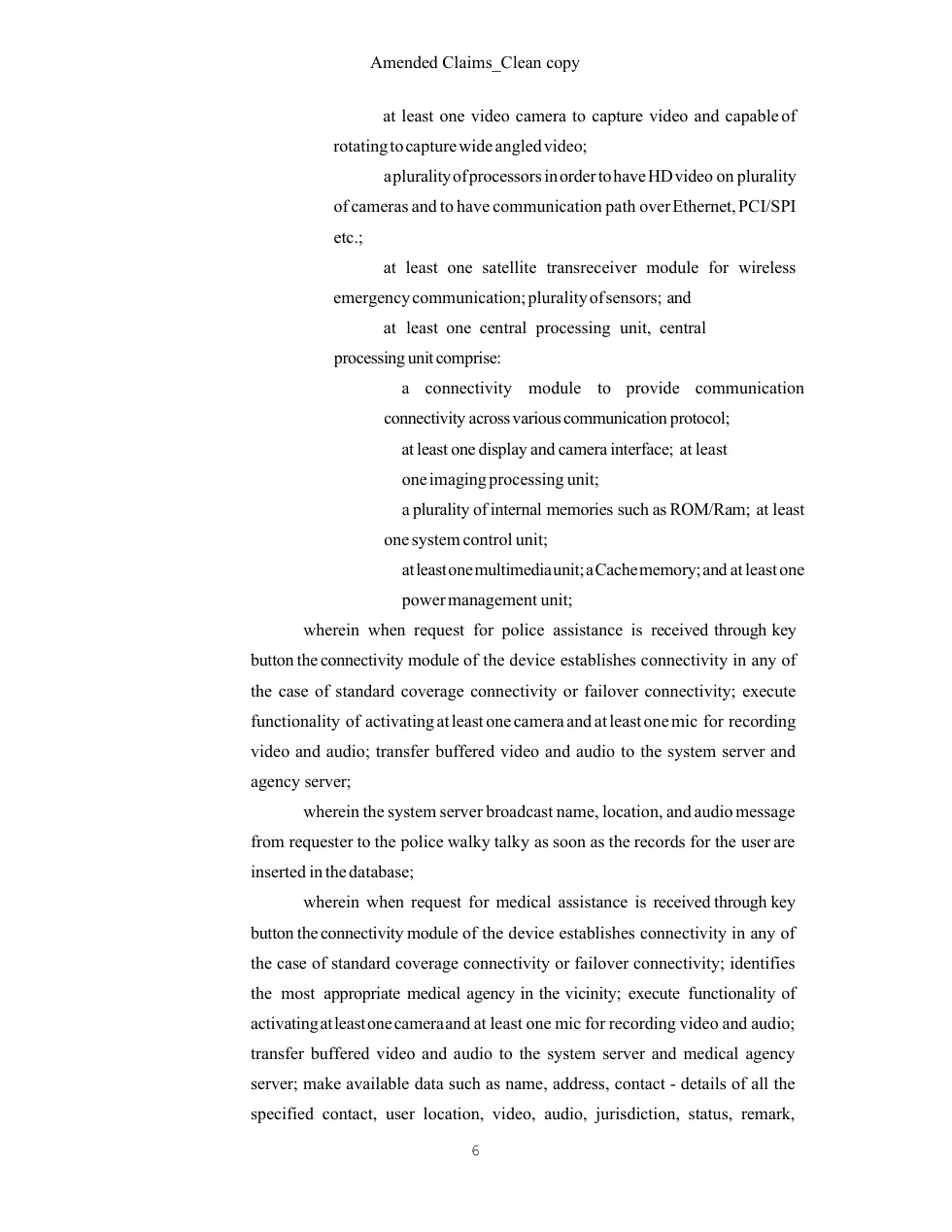
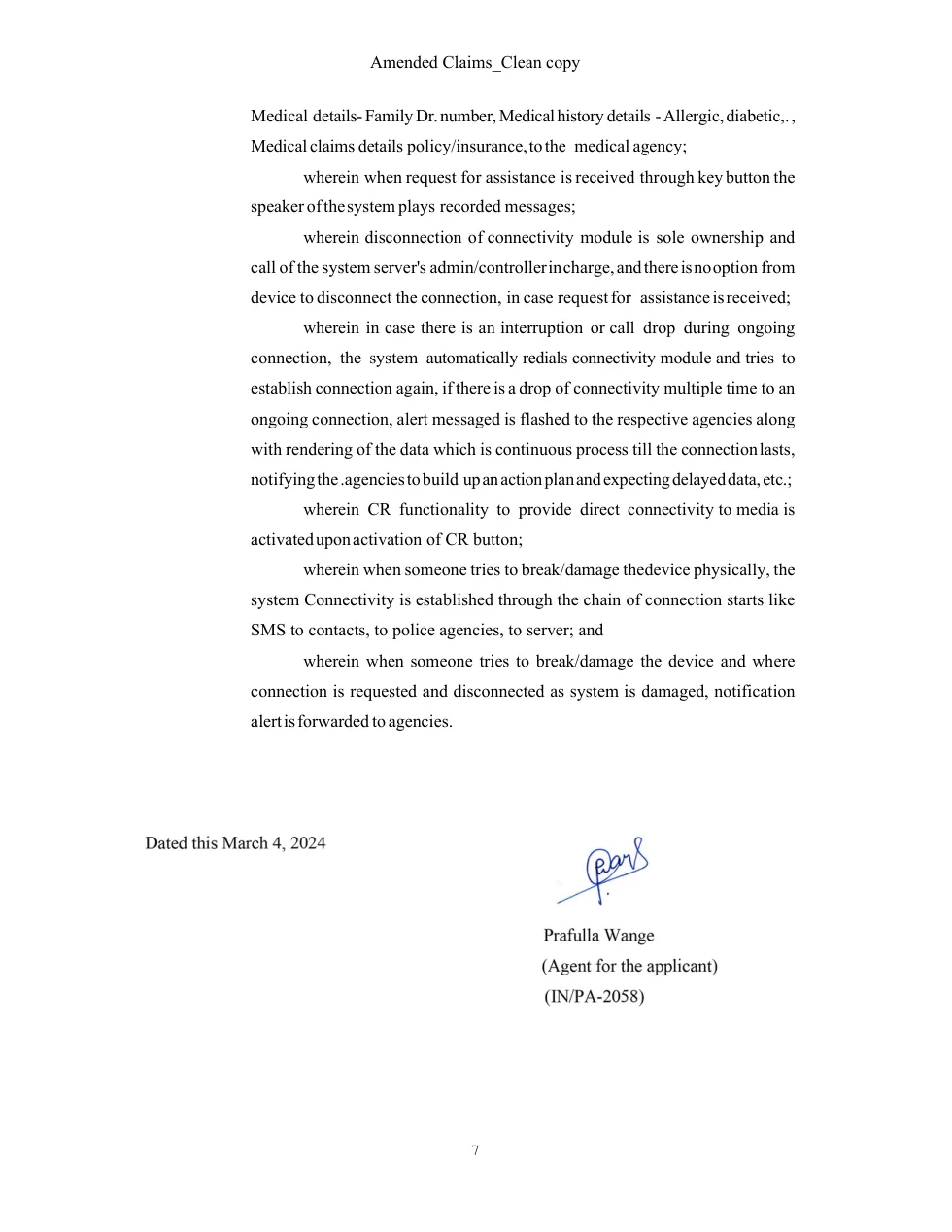
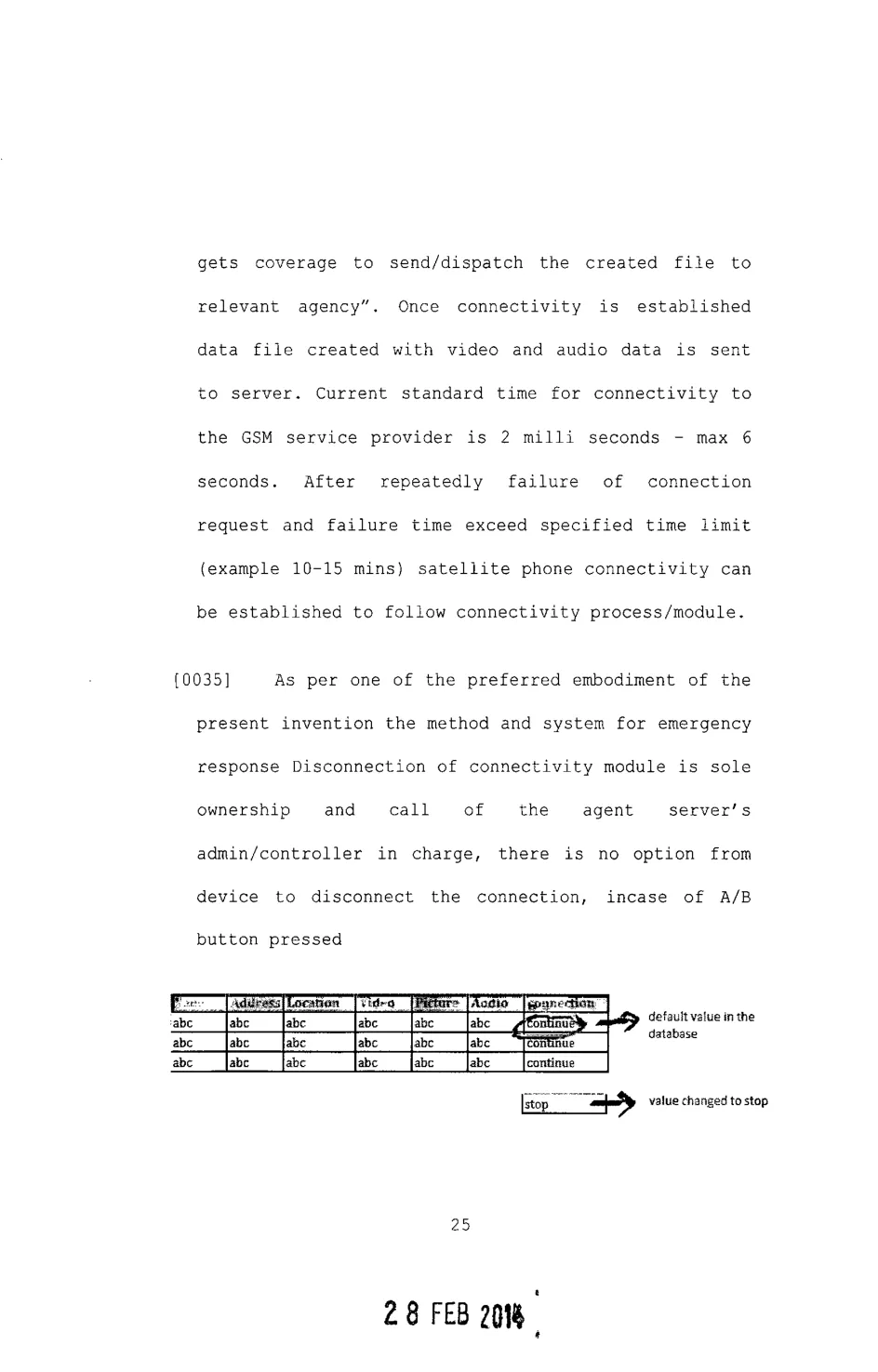
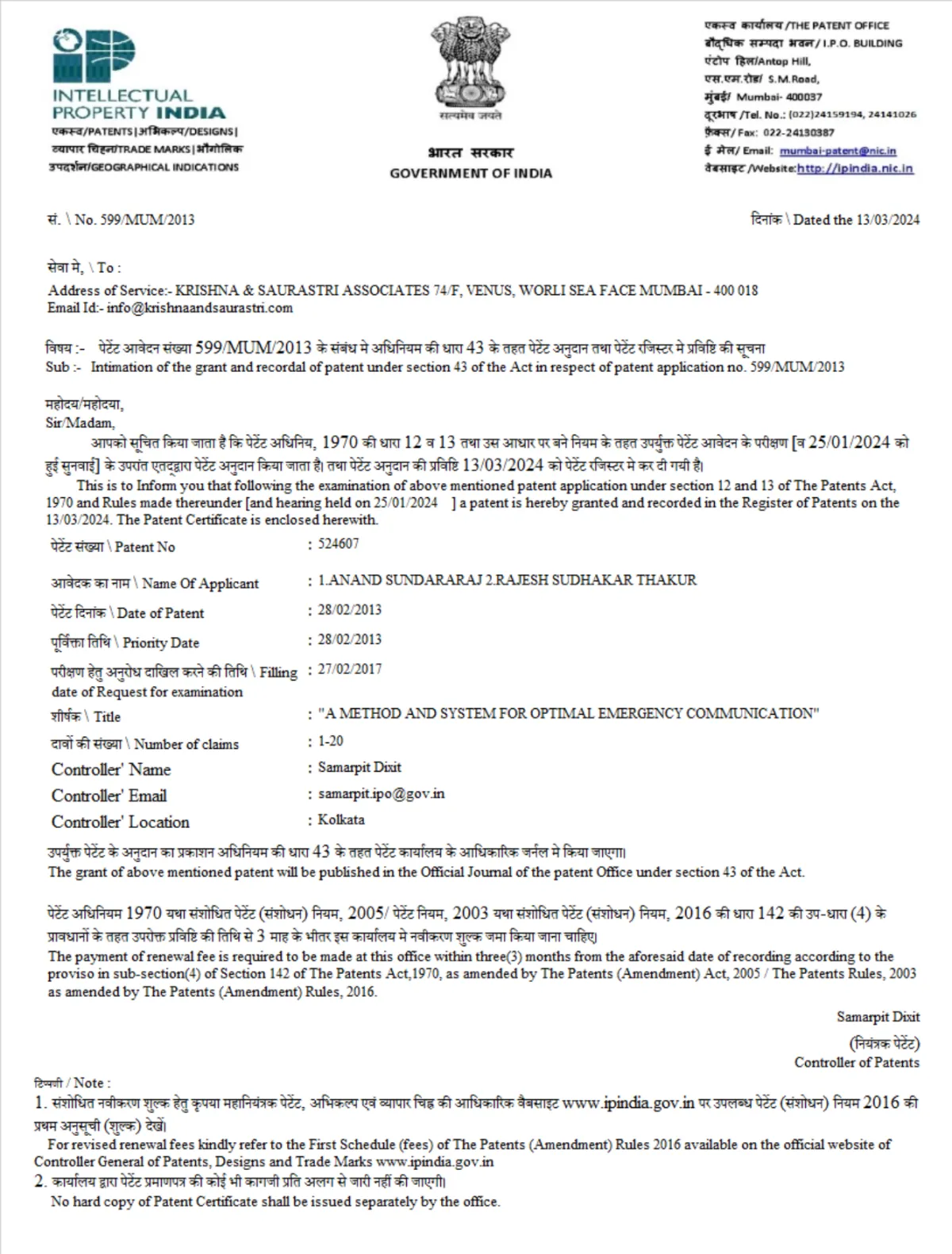
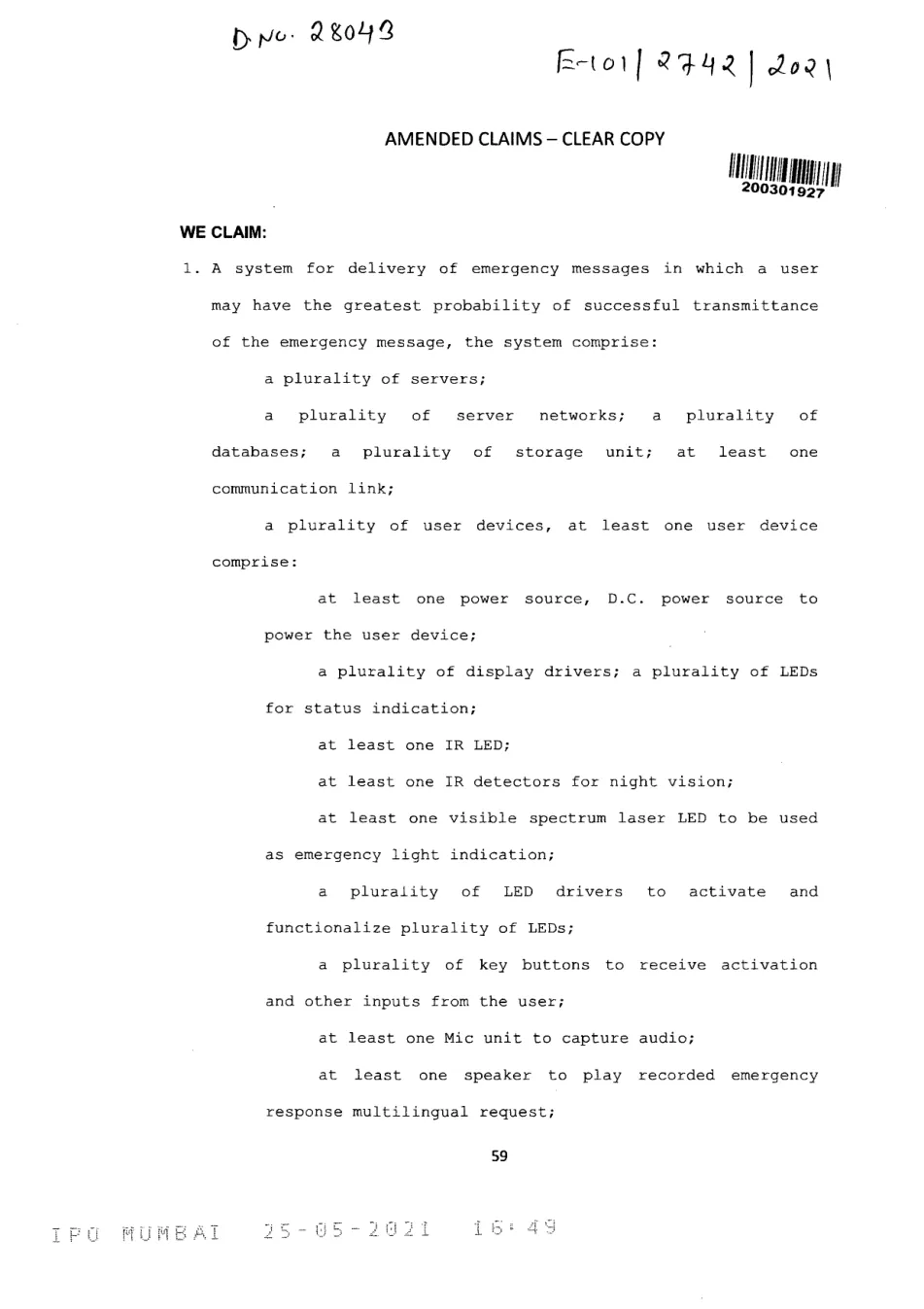
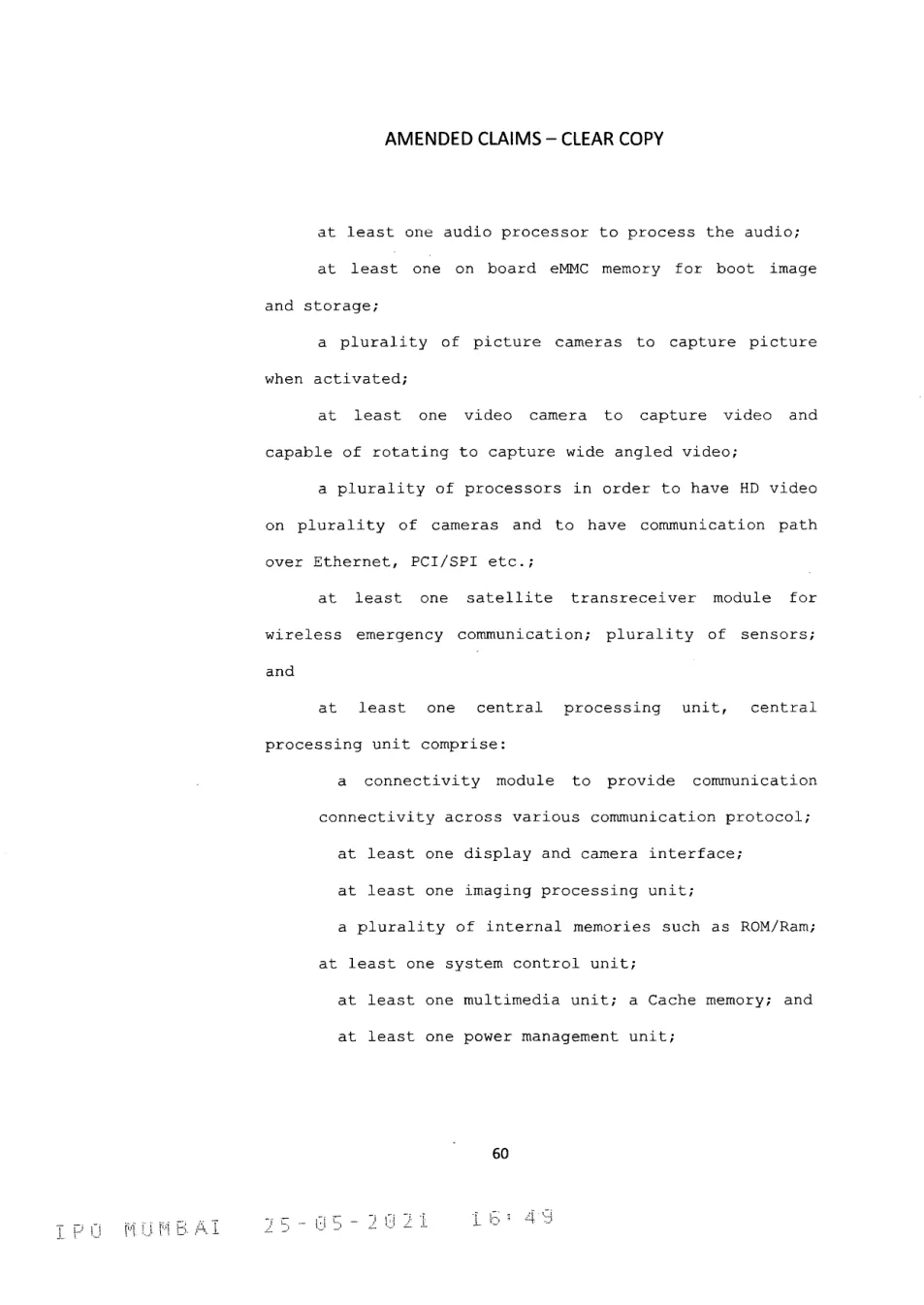
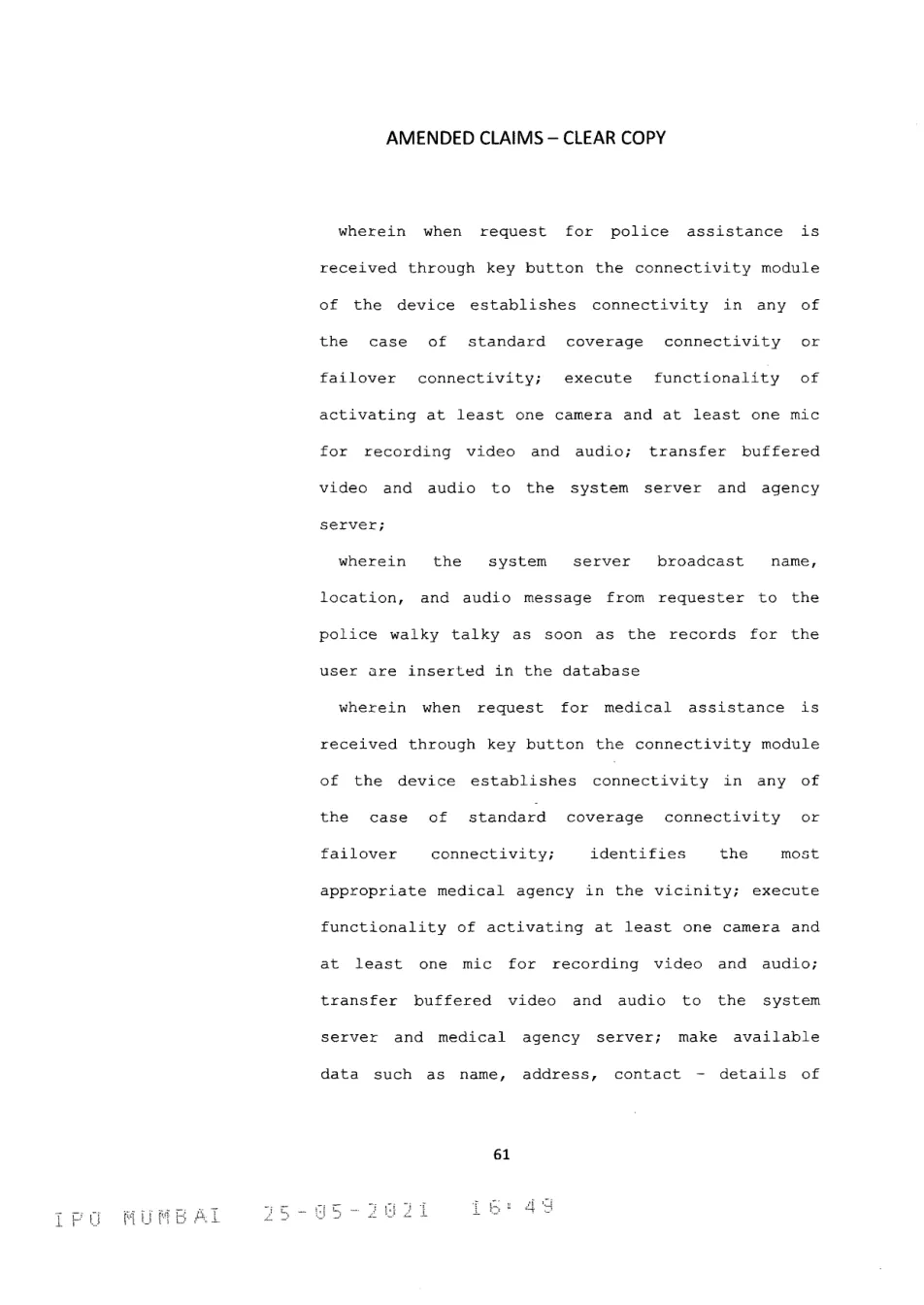
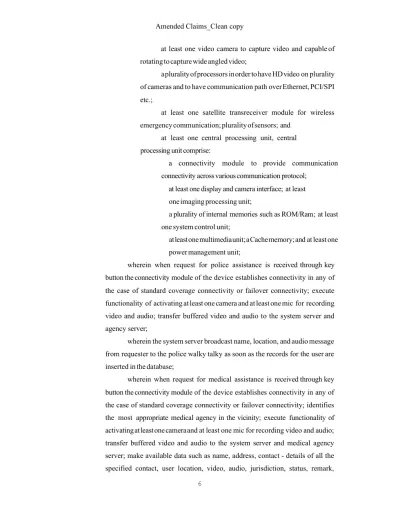
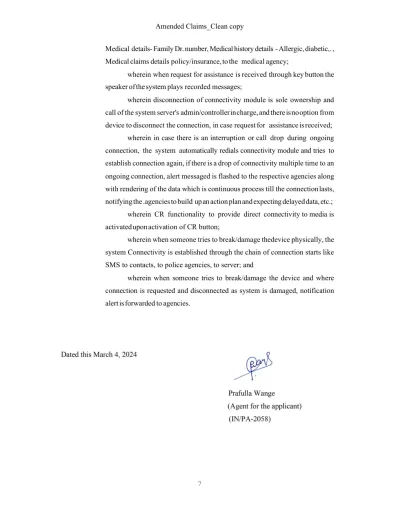
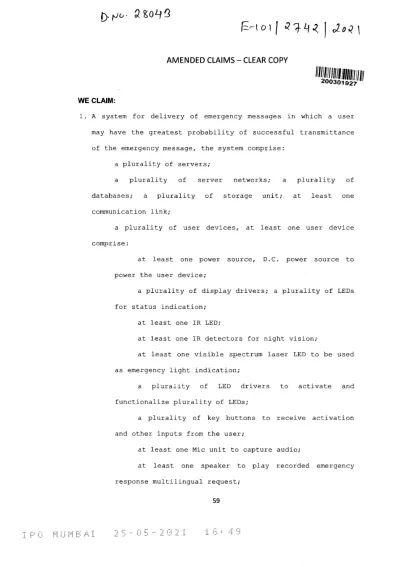
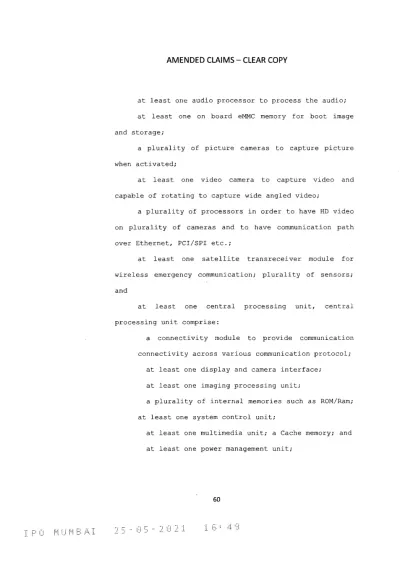
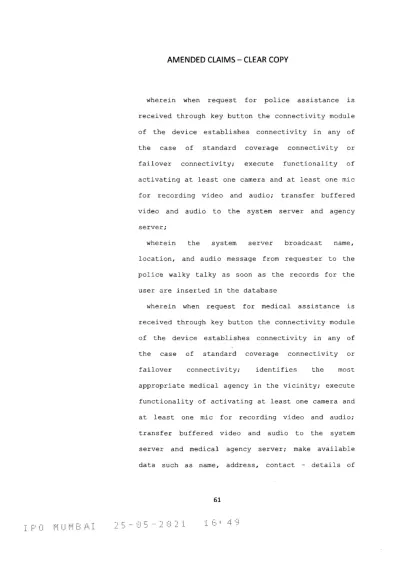
A method and system for optimal emergency communication that enables an emergency request to be captured, authenticated, processed and intelligently routed to the appropriate emergency response agency. The system integrates connected emergency devices with cameras, microphones, sensors, local storage and multiple communication networks, and can detect network availability, select compatible communication paths, repeatedly attempt connection and use satellite-phone connectivity as a fallback when standard connectivity fails. Emergency audio, video, location and other relevant information can be buffered, stored and transmitted to police, medical or other authorized emergency agencies. The system further supports emergency-service communication, recorded messages, controlled disconnection, automatic redial and drop handling, direct media connectivity and physical-damage notification workflows.
During an emergency, simply pressing an SOS or panic button does not guarantee that the emergency request, location, audio, video and other critical information will reach the right emergency agency. Communication networks may be unavailable, weak or incompatible, and an emergency connection may fail or be interrupted. Existing emergency systems may also operate as separate functions rather than as an integrated process for identifying the user, selecting the appropriate communication path and emergency agency, repeatedly attempting communication, preserving information when connectivity is unavailable, and delivering relevant information to police, medical or other emergency responders. The invention addresses the problem of making emergency communication more reliable, intelligent and resilient so that critical emergency information has a greater opportunity to reach the appropriate responder.
The invention provides an integrated emergency-communication method and system that receives an emergency request, identifies and authenticates the requester, activates relevant cameras, microphones and sensors, evaluates available communication networks and compatible protocols, and determines the appropriate emergency-service destination. When normal communication is unavailable or fails, the system can store emergency information locally, repeatedly attempt connection and use satellite-phone connectivity as a fallback. The system can transmit buffered audio and video together with identity and location information to police or medical agencies, support communication through emergency radio/walkie-talkie systems, provide recorded emergency messages, manage emergency-session disconnection and redial functions, establish direct media connectivity, and generate notifications associated with physical damage to the emergency device. This creates a coordinated emergency communication architecture rather than relying on a single SOS communication channel.
Yes. The invention addresses a gap in which emergency communication was not treated as a single resilient end-to-end communication process. The disclosed approach integrates emergency activation with user identification and authentication, network and protocol selection, emergency-agency determination and routing, local preservation of emergency information when standard connectivity is unavailable, repeated connection attempts, satellite-phone fallback, buffered audio/video transmission, police and medical communication, controlled session management, redial/drop handling and physical-damage escalation. The gap addressed is therefore the coordination and resilience of the complete emergency communication chain, rather than merely providing an SOS button or a conventional emergency call.
The invention provides an integrated and resilient emergency communication system that goes beyond a conventional SOS or panic button. It can identify and authenticate an emergency requester, activate cameras, microphones and sensors, evaluate available communication networks and compatible protocols, determine the appropriate emergency-response agency, and establish communication through the appropriate path. When normal connectivity is unavailable or fails, the system can preserve emergency information locally, repeatedly attempt communication and provide satellite-phone fallback. It can transmit buffered audio/video together with identity and location information to police, medical or other authorized emergency agencies, support emergency radio/walkie-talkie communication, provide recorded emergency messages, manage controlled disconnection and automatic redial/drop conditions, establish direct media connectivity and generate notifications associated with physical damage to the emergency device. The technology is designed as an end-to-end emergency communication architecture rather than a standalone emergency button.
Industries where the invention can be useful?
Railways and Mass Transportation; Automotive and Connected Vehicles; Public Safety and Emergency Services; Smart Cities; Telecommunications; Security and Surveillance; Airports and Aviation; Maritime Transportation; Public Infrastructure; Government and Law Enforcement; Healthcare and Hospitals; Industrial and Manufacturing Facilities; Mining and Remote Operations; Oil & Gas; Educational Campuses; Hotels and Hospitality; Commercial Buildings; Residential Communities; Logistics and Warehousing; Construction and Infrastructure.An estimate of the total addressable market?
The addressable market spans emergency communication, public-safety technology, connected security and surveillance, transportation safety, smart-city infrastructure and critical-infrastructure communication systems. The invention can address both new deployments and integration/upgrade opportunities within existing CCTV, emergency-response and communication infrastructure. The potential market is global and includes government, transportation operators, telecom companies, security integrators, infrastructure operators and large enterprises. A precise revenue forecast depends on the deployment model, geographic territory, number of connected emergency endpoints and licensing structure; therefore the opportunity should be evaluated as a multi-billion-dollar global technology market rather than as a single hardware-product market.Potential Customers/End Users. Who might benefit?
Indian Railways and other railway operators; metro and mass-transit operators; automobile and connected-vehicle manufacturers; telecom operators; smart-city authorities; police and emergency-response organizations; airports; ports; hospitals; industrial plants; mining companies; oil and gas facilities; educational institutions; hotels; commercial and residential complexes; security and surveillance companies; CCTV/VMS manufacturers; emergency communication system integrators; telecom equipment manufacturers; and government infrastructure agencies.Actions
Added all portfolio
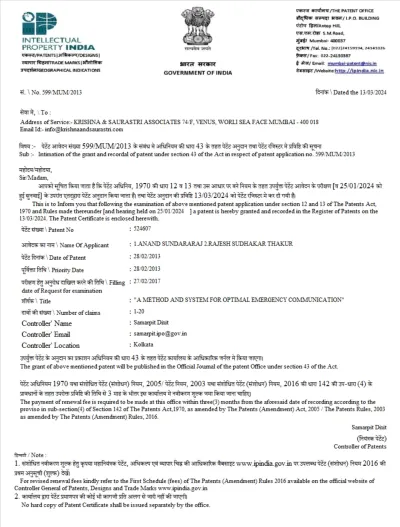
| Country | Current Status | Patent Application Number | Patent Number | Applicant / Current Assignee Name | Title | Google Patent Link |
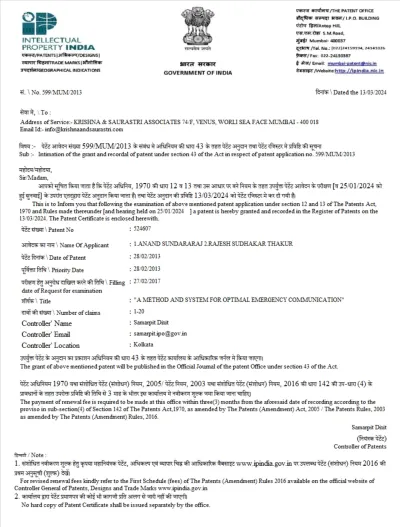
| India | Granted | 599/MUM/2013 | 524607 | Anand Sundararaj | A Method and System for Optimal Emergency Communication | Google patent link |
You may also like the following patent